
Assessment & Education
Comprehensive evaluation and educational services for understanding your condition and rehabilitation process.

About Assessment & Education
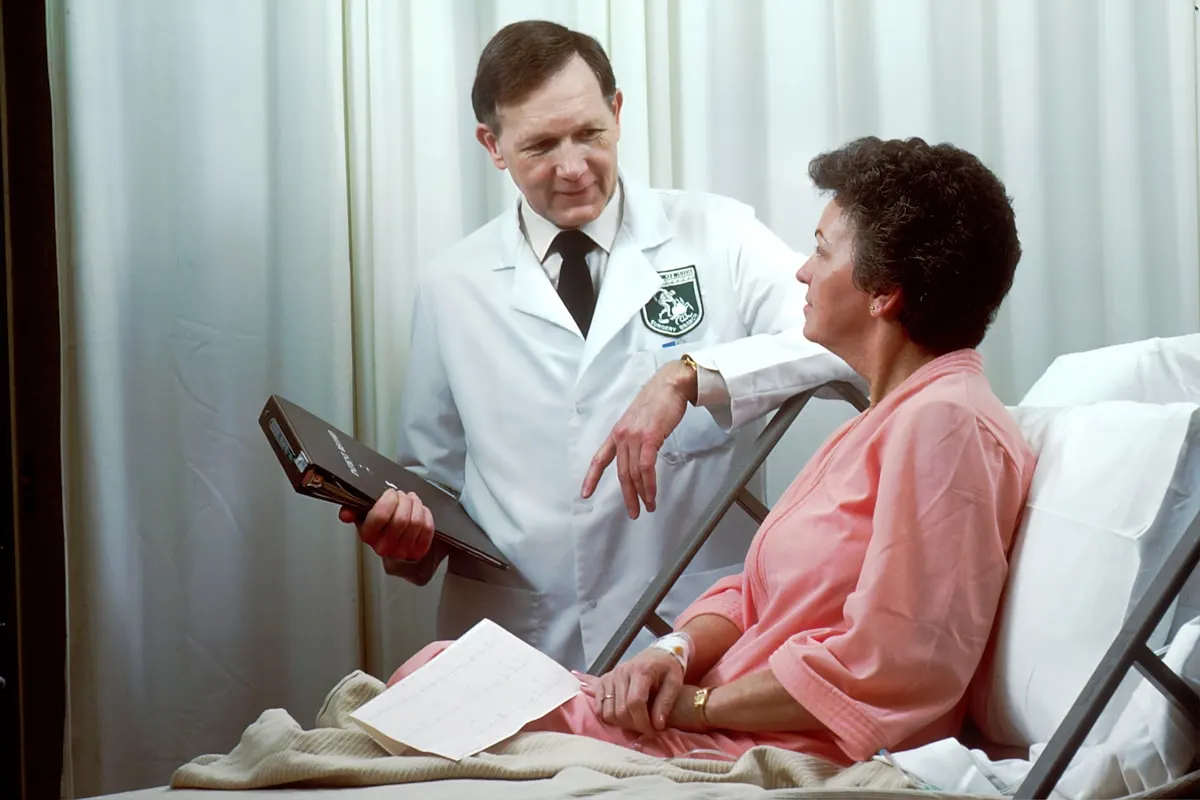
Our assessment and education services form the foundation of effective physiotherapy treatment. We begin with a thorough evaluation to understand your condition, medical history, and personal goals.
Through detailed analysis of your posture, movement patterns, and functional abilities, we can pinpoint the underlying causes of your symptoms and develop targeted treatment strategies.
Education is a vital component of our approach, as we believe in empowering you with knowledge about your condition and the rehabilitation process. This collaborative approach ensures you become an active participant in your recovery journey.
A good physiotherapy outcome starts with a good assessment. Before any machine is switched on or any exercise is prescribed, Dr. Surabhi Bansal and her team spend time understanding why your problem started, not just where it hurts. Assessment and education is the foundation service at Modern Physio in Vaishali Nagar, Jaipur, and every treatment plan we build rests on it.
This service covers four things: a detailed consultation and counselling session, posture, gait and ergonomic analysis, functional movement screening, and lifestyle and activity-modification coaching. Together they answer three questions: what is wrong, what is driving it, and what you can change in daily life so it does not keep coming back.
Education is treated as a clinical intervention here, not an afterthought. When you understand your condition(what loads it, what settles it, which movements are safe) you stop fearing movement, follow your home programme more consistently, and depend less on repeat visits. That understanding is the single most durable thing we can give you.
Who This Helps
Anyone visiting a physiotherapist for the first time, or restarting care after a gap: the assessment sets the baseline every later session is measured against.
Office workers in Jaipur with recurring neck or back pain that keeps returning despite short-term relief from massage or medication.
People whose pain seems posture-related: discomfort that builds through the working day, eases on holidays, and worsens with long sitting or two-wheeler commutes.
Parents concerned about a child’s standing posture, flat feet or walking pattern, and adults noticing a limp or altered gait after an old injury.
Patients with long-standing conditions such as arthritis or chronic pain who want a clear self-management plan rather than passive treatment alone.
What a Session Looks Like
- 1
History and counselling (15–20 minutes): you describe the problem in your own words, when it started, what worsens and eases it, your work, commute, sleep and activity habits, and what you want back (playing with grandchildren, sitting through a work day, returning to the gym). We review any reports or scans you bring.
- 2
Red-flag screening: brief, structured questions to rule out anything that needs a doctor before physiotherapy.
- 3
Posture and gait analysis: we observe you standing, sitting and walking(head and shoulder position, spinal curves, pelvic level, foot posture and walking pattern) and note deviations that plausibly relate to your symptoms.
- 4
Functional movement screening: you perform simple, relevant movements(squatting, bending, reaching overhead, single-leg balance) while we test joint range, muscle strength and movement control to find the specific limitation behind your problem.
- 5
Ergonomic and lifestyle review: we discuss your desk setup, phone and laptop habits, two-wheeler riding position, lifting at home, and activity levels, and identify the two or three modifications likely to matter most.
- 6
Explanation and plan: Dr. Surabhi explains what we found in plain language(Hindi or English, as you prefer) shows you the first one or two home exercises, and agrees a written plan: how many sessions, what each will target, and how we will measure progress.
Safety & Contraindications
This treatment is not suitable for everyone. Tell your physiotherapist about your full medical history: it is screened for at your first assessment.
- •A physiotherapy assessment is safe for almost everyone, but it is not a substitute for emergency medical care. Certain findings mean we pause and refer you to a doctor or hospital first.
- •Red flags we screen for and refer on: new bladder or bowel control problems or numbness in the saddle area (possible cauda equina syndrome, a surgical emergency), severe pain after significant trauma such as a fall or road accident, unexplained weight loss, fever or night sweats alongside spine pain, and a history of cancer with new bone pain.
- •Chest pain, breathlessness at rest, or dizziness during simple movement testing: we stop the assessment and advise urgent medical review.
- •Movement screening tests are modified or deferred if you have severe osteoporosis, a recent fracture, or an unhealed surgical site; we assess within safe limits and coordinate with your surgeon where needed.
- •If you are acutely unwell on the day (high fever, active infection), we reschedule, an assessment done through pain-masking medication or illness gives misleading results.
Expected Timeline
The first assessment itself typically takes 45–60 minutes. Most patients leave the first visit with a working diagnosis, an initial home programme, and a clear idea of the number of sessions likely needed. If your presentation is unclear or a red flag appears, the plan may instead be a referral for medical review or imaging first: that too is a useful outcome of an honest assessment.
Education is not a one-time lecture. We revisit it at every follow-up: checking your exercise technique, adjusting the ergonomic changes you have made, and progressing activity as symptoms settle. A formal reassessment is usually scheduled every 2–3 weeks, where we re-test the same movements measured on day one so improvement is objective, not just a feeling.
The honest goal is independence. For many recurring problems(postural neck pain, mechanical back pain) patients who understand their triggers and keep up a short daily routine typically need fewer repeat treatment courses. If symptoms are not trending in the right direction by the agreed reassessment point, we say so plainly and change the plan or refer onwards.
Evidence Base
NICE recommends that assessment of low back pain include risk stratification, and that patients receive advice and education to self-manage and continue normal activities: passive treatment alone is not recommended.
NICE guideline NG59 (low back pain and sciatica)The WHO guideline on chronic primary low back pain in adults recommends structured patient education and exercise as core components of non-surgical care.
WHO guideline on management of chronic low back pain (2023)A Cochrane review of individual patient education for low back pain found that for acute pain, an individual education session can be as effective for return to work as more intensive interventions, supporting education as an active part of treatment.
Cochrane review CD004057 (individual patient education for low back pain)The Chartered Society of Physiotherapy advises that staying active and understanding your back pain are central to recovery, and that most back pain improves with movement rather than rest.
Chartered Society of Physiotherapy, back pain guidanceFrequently Asked Questions
Do I need a doctor’s referral before a physiotherapy assessment?
No. You can book an assessment at Modern Physio directly, without a referral. Dr. Surabhi Bansal is a qualified physiotherapist (BPT, MPT Ortho) trained to screen your problem first, and if anything in your history or examination suggests you need a medical doctor, imaging or blood tests before physiotherapy, we will tell you clearly and refer you on rather than starting treatment.
Should I see an orthopaedic doctor or a physiotherapist first for back or neck pain?
For most mechanical back and neck pain without red flags, international guidelines support starting with assessment, education and exercise, which is exactly what a physiotherapy assessment provides. See a doctor first if you have had significant trauma, fever, unexplained weight loss, or numbness in the groin area, or if pain wakes you every night. Our assessment includes screening for these, so either starting point is safe; we routinely work alongside orthopaedic doctors in Jaipur and refer both ways.
What should I bring to my first assessment?
Bring any X-ray, MRI or doctor’s prescriptions you already have, a list of current medications, and wear or carry loose clothing that lets us see the problem area move: shorts for knee problems, a vest or sports top for shoulder and spine problems. If your pain relates to your job, photos of your workstation or your usual sitting position are genuinely useful.
How long does the first assessment take, and what does it cost?
Plan for 45–60 minutes for the first visit; follow-ups are shorter. For current consultation and session fees, please call or WhatsApp us on +91 82334 02489: fees depend on whether you need clinic-based or home-visit care. The clinic in Vaishali Nagar is open Monday to Saturday, 7 am to 9 pm, and Sunday mornings 7 am to 1 pm.
Will I get treatment on the first day, or only assessment?
Usually both. Once the assessment is complete, most patients receive their first treatment(hands-on techniques, initial exercises, or pain-relief modalities as appropriate) in the same visit, along with one or two home exercises to start immediately. The exception is when the assessment finds something that needs medical review first.
What is functional movement screening, and is it only for athletes?
It is a structured way of watching you perform everyday movements(squatting, bending, reaching, balancing on one leg) to find which joint restriction, weakness or control problem is driving your symptoms. Athletes use it, but it is just as relevant for a 55-year-old who struggles to sit cross-legged on the floor or climb stairs. The screening is matched to your life, not to a sport.
My posture has been bad for years. Can it actually change now?
Postural habits can improve at any age, though the realistic goal is a spine that tolerates your day comfortably, not a textbook-perfect silhouette. What changes outcomes is not standing rigidly straight but building strength and endurance in the supporting muscles, varying your positions through the day, and adjusting your workstation. Our posture analysis identifies which of these will help you most; progress is then re-measured at follow-up visits.
Why do you ask so much about my lifestyle instead of just treating the painful spot?
Because for recurring problems, the painful spot is often the victim, not the cause. Ten hours of daily sitting, a poorly set-up laptop, disturbed sleep or a sudden jump in activity commonly drive neck and back pain in our Jaipur patients. Treating the sore tissue eases symptoms; changing the driver reduces the chance the pain returns. Guidelines from NICE and the WHO both emphasise education and activity modification for exactly this reason.
Do you provide assessment in Hindi?
Yes. Consultations, explanations and written home-programme instructions are available in both Hindi and English: whichever you and your family are most comfortable with. Clear understanding is the whole point of the education part of this service.
Conditions We Treat With This
Products That Support This
Medically Reviewed
This content was reviewed for medical accuracy by Dr. Surabhi Bansal, BPT, MPT (Ortho) with 14+ years of clinical experience.
At Modern Physio, all medical content undergoes a thorough review process to ensure accuracy and alignment with current physiotherapy standards. Our content is created to educate and should not replace professional medical advice. Learn more about our review process.
Our Assessment & Education Services
Consultation & Counselling
Comprehensive evaluation and personalized advice on your condition and treatment options.
Posture / Gait / Ergonomic Analysis
Detailed assessment of your posture, walking pattern, and workplace setup to identify issues.
Functional Movement Screening
Systematic testing to identify movement limitations and asymmetries that may cause injury.
Lifestyle & Activity-Modification Coaching
Guidance on adapting daily activities to minimize pain and promote healing.
Other Service Categories
Therapeutic Exercise & Movement
5 services available
Manual Therapy Techniques
4 services available
Electro-physical Modalities
5 services available
Thermal Modalities
4 services available
Mechanical Modalities
3 services available
Soft-Tissue & Instrument-Assisted Tools
4 services available
Aquatic & Respiratory Programmes
3 services available
Pelvic & Women's Health Services
4 services available
Neurological & Vestibular Rehab
4 services available
Post-Surgical & Prosthetic Care
3 services available
Preventive / Workplace & Digital Add-Ons
4 services available
Explore Other Service Categories
Therapeutic Exercise & Movement
Customized movement therapies designed to restore function, build strength, and enhance mobility.

Manual Therapy Techniques
Hands-on treatment approaches to relieve pain, reduce muscle tension, and improve tissue mobility.
Electro-physical Modalities
Advanced technological interventions that use various forms of energy to reduce pain and promote healing.