
Thermal Modalities
Heat and cold therapies that help manage pain, reduce inflammation, and improve circulation.
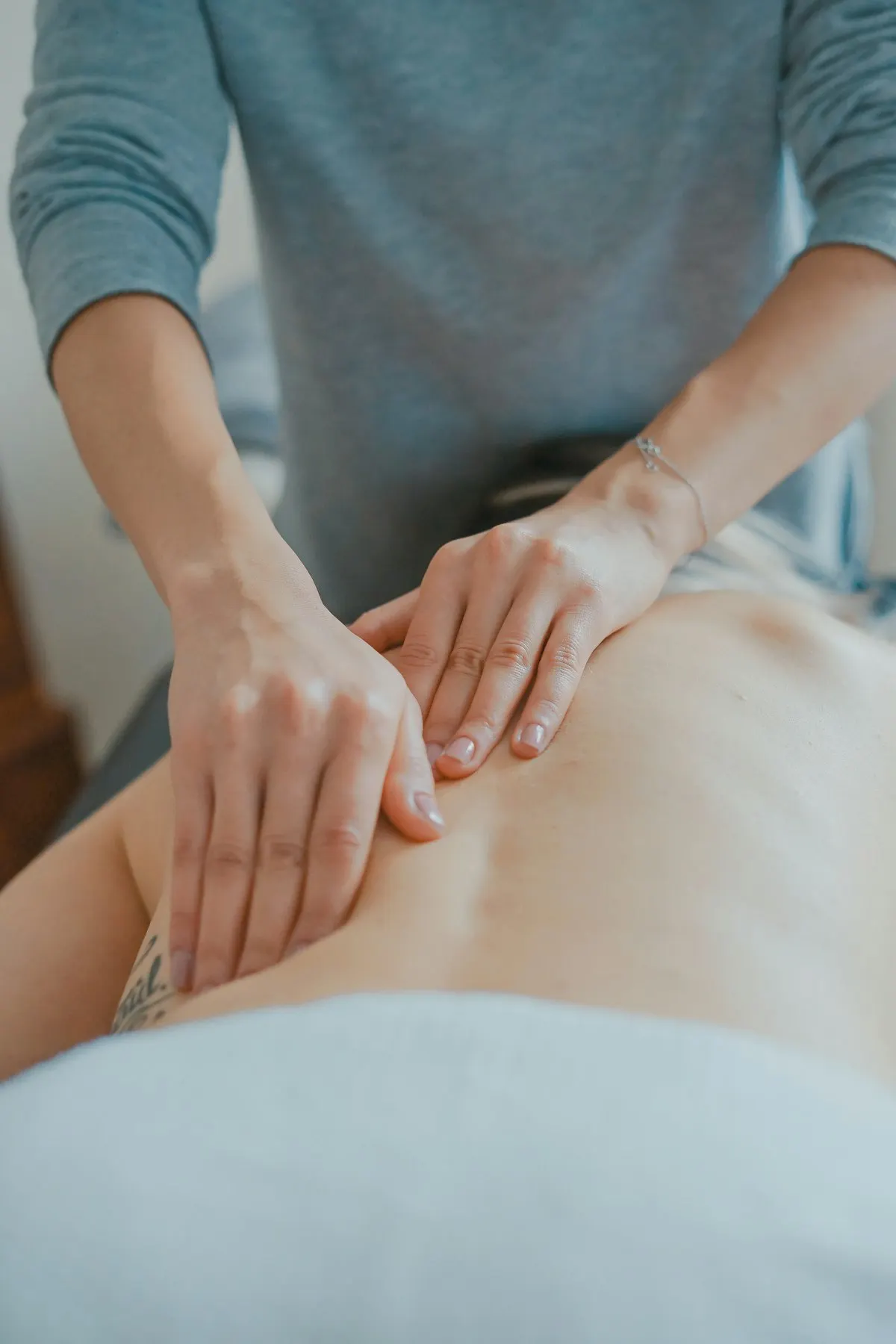
About Thermal Modalities
Thermal modalities use temperature variation to produce therapeutic effects in body tissues, providing simple yet effective interventions for many conditions.
Heat therapies increase blood flow, relax muscles, and improve tissue elasticity, making them ideal for chronic conditions and before exercise.
Cold therapies reduce inflammation, numb acute pain, and slow metabolic processes, making them valuable for recent injuries and inflammatory conditions.
Thermal modalities use carefully controlled heat or cold to reduce pain, ease muscle tightness and prepare your body for exercise. At Modern Physio in Vaishali Nagar, Jaipur, Dr. Surabhi Bansal (BPT, MPT Ortho) and her team use four main options: moist heat therapy, paraffin wax therapy, cryotherapy with cold packs, and contrast therapy that alternates the two.
Heat increases local blood flow, relaxes muscle and makes stiff tissue easier to stretch, which is why it suits chronic aches and pre-exercise warm-up. Cold does roughly the opposite: it narrows blood vessels, numbs pain and calms fresh inflammation, which is why it suits recent injuries and flare-ups. Contrast therapy alternates warm and cool immersion to encourage circulation, most often for the hands, feet and ankles.
One thing we are upfront about: heat and cold are supporting acts, not the main treatment. They make it easier for you to move, and movement is what actually drives recovery. At our clinic, a thermal modality is almost always paired with exercise therapy or manual therapy in the same visit. You can read more on our dedicated heat therapy and paraffin wax therapy pages.
Who This Helps
Heat therapy and paraffin wax suit people with chronic, stiffness-dominant problems: long-standing back and neck pain, osteoarthritis of the knee or hand, frozen shoulder in its stiff phase, and rheumatoid arthritis between flares. Paraffin wax is particularly useful for the small joints of the hands and feet, where a hot pack cannot wrap every surface, a common request from patients with arthritic hands who find Jaipur winters make their stiffness worse.
Cryotherapy suits recent injuries(a fresh muscle strain, an ankle sprain, a swollen knee after overuse) and painful flare-ups of an otherwise chronic condition. Contrast therapy helps people with residual swelling in the hands, feet or ankle after the acute phase has settled, and some patients simply find the alternating sensation eases pain better than heat or cold alone.
If you are unsure which applies to you, do not guess. Heating a freshly inflamed joint can make it worse. We assess first and then choose.
What a Session Looks Like
- 1
Assessment first: on your first visit, the physiotherapist takes a history, examines the painful area, checks skin condition and sensation, and asks about diabetes, circulation problems and medications. This decides whether heat, cold or neither is appropriate.
- 2
Plan and consent: we explain what modality we recommend, why, what it should feel like (comfortable warmth or manageable cold, never burning or numbness beyond the expected stage), and what we will pair it with.
- 3
Preparation: the area is exposed and inspected, jewellery removed, and layers of towelling placed between your skin and any hot pack. For wax therapy, hands or feet are washed and checked before dipping.
- 4
Application: moist hot packs typically stay on for 15–20 minutes; paraffin wax involves several dips followed by wrapping for about 15–20 minutes; cold packs are usually applied for 10–15 minutes; contrast therapy alternates warm and cool immersions over a set cycle. The therapist checks your skin and comfort during treatment.
- 5
Active work: while the tissue is warm and relaxed (or once pain is dulled after cold), we move into the real work: stretching, joint mobilisation or your exercise programme.
- 6
Review and home advice: we show you how to use heat or cold safely at home, including timings and skin checks, and record your response to guide the next session.
Safety & Contraindications
This treatment is not suitable for everyone. Tell your physiotherapist about your full medical history: it is screened for at your first assessment.
- •Impaired skin sensation(after a stroke, spinal cord injury or nerve damage) because you cannot feel a burn or ice injury developing. This includes diabetes-related peripheral neuropathy, which is common and often unnoticed; we screen sensation in people with diabetes before any thermal treatment.
- •Poor circulation or peripheral vascular disease: tissue with reduced blood supply cannot dissipate heat or recover from cold safely.
- •Suspected or known deep vein thrombosis (DVT), heat and massage over the area are avoided entirely until it is medically cleared.
- •Acute inflammation, fresh injury or active swelling: heat is withheld in the first days after injury; cold is used instead.
- •Cold intolerance, Raynaud’s phenomenon or cold urticaria: cryotherapy is avoided; we use alternatives.
- •Open wounds, broken or infected skin, and recent radiotherapy sites: neither wax nor packs are applied over these areas.
- •We also take extra care with older adults, young children, people on strong painkillers (blunted warning signals) and during pregnancy, where heat is not applied over the abdomen or low back.
Expected Timeline
Relief from a single session of heat or cold is real but usually short-lived: hours rather than weeks. That is expected. The value of thermal modalities builds when they are used consistently to unlock exercise: warmth before stretching a frozen shoulder, cold after loading an irritable knee. Most patients feel a meaningful difference in overall symptoms within two to four weeks of a combined programme, though this varies with the condition and how long you have had it.
We formally reassess around the two-to-three week mark. If thermal treatment is clearly helping you move and exercise more, we continue it and progressively shift emphasis towards active rehabilitation. If it is adding nothing beyond temporary comfort, we say so honestly and change the plan rather than repeating a passive treatment indefinitely.
For long-term conditions like osteoarthritis or rheumatoid arthritis, the realistic goal is self-management: most patients learn to use home heat, wax or cold routines themselves, and visit us for the exercise progression, flare-up management and periodic review rather than for the modality itself.
Evidence Base
A Cochrane review found moderate evidence that heat wrap therapy gives small, short-term reductions in pain and disability in acute and sub-acute low back pain, with added benefit when combined with exercise.
Cochrane review CD004750, superficial heat or cold for low back pain (French et al.)A Cochrane review of thermotherapy for rheumatoid arthritis reported that paraffin wax baths showed positive short-term effects for arthritic hands, with no harmful effects reported; thermotherapy is regarded as a palliative adjunct, not a cure.
Cochrane review CD002826, thermotherapy for treating rheumatoid arthritis (Robinson et al.)UK NICE guidance for low back pain and sciatica emphasises staying active, exercise and self-management as the core of care, which is why we use heat and cold only as adjuncts to an active programme, never as standalone treatment.
NICE guideline NG59, low back pain and sciatica in over 16sNICE guidance for osteoarthritis places therapeutic exercise and weight management at the centre of treatment; comfort measures such as heat support that plan rather than replace it.
NICE guideline NG226, osteoarthritis in over 16sThe Chartered Society of Physiotherapy advises that heat and cold can be safely used at home to help manage bone, joint and muscle pain, alongside activity, the same self-management approach we teach.
Chartered Society of Physiotherapy: managing your bone, joint or muscle painFrequently Asked Questions
Should I use heat or ice for my pain?
As a rule of thumb: cold for a fresh injury or a hot, swollen joint (first 48–72 hours); heat for chronic stiffness and muscle tightness. But real cases are often mixed, and heating an inflamed area can worsen it. If your pain is new, severe or you are not sure, get it assessed before self-treating.
What is paraffin wax therapy and does it actually help arthritis?
Warm liquid wax is applied to the hands or feet in layers, then wrapped so the heat soaks into the small joints. A Cochrane review found positive short-term effects of wax baths for arthritic hands. It eases stiffness and pain so you can do your hand exercises: the exercises are what maintain the gain.
Is heat therapy safe if I have diabetes?
Sometimes, but only after screening. Diabetes can dull sensation in the hands and feet without you realising, so you may not feel a burn developing. We test your sensation first, use conservative temperatures and extra padding, and avoid thermal treatment on any area with impaired feeling, poor circulation or skin damage.
Can I just use a hot water bottle at home instead of coming to the clinic?
For simple muscular stiffness, yes, and we will happily teach you to do it safely with towel layers, sensible timings and skin checks. The reason to visit is not the hot pack itself; it is the assessment that confirms heat is the right choice, plus the exercise and hands-on treatment that the heat prepares you for.
Do I need to see a doctor first, or can I come directly to a physiotherapist?
You can come directly, no referral is needed. Modern Physio is led by Dr. Surabhi Bansal, a physiotherapist with BPT and MPT (Ortho) qualifications and 14+ years of experience. If your assessment suggests something that needs a medical doctor(for example signs of infection, DVT or an undiagnosed inflammatory condition) we will tell you plainly and point you to the right specialist.
How long does one session take, and how many will I need?
The thermal part itself takes 15–20 minutes, and a full session including exercise is usually 30–45 minutes. The number of visits depends on your condition; we set an initial plan at your first assessment and formally review progress within two to three weeks rather than booking an open-ended course.
What does it cost, and how do I book at your Vaishali Nagar clinic?
Fees depend on what your session includes, so please call or WhatsApp us on +91 82334 02489 for current charges. We are at 73 East, Giriraj Vihar Rd, near Shalby Hospital, Bhairav Nagar, Vaishali Nagar, and open Mon to Sat 07:00-21:00, plus Sunday mornings 07:00-13:00, so early-morning and evening slots are available on weekdays.
Is cryotherapy painful? I do not tolerate cold well.
A cold pack feels intensely cold for the first minutes, then aching, then numb: uncomfortable but tolerable for most people. Tell us if you have Raynaud’s phenomenon, cold allergy or simply hate cold: these are reasons to avoid cryotherapy, and we have alternatives that achieve similar goals.
Will heat or cold fix my problem on its own?
Honestly, no. Thermal modalities relieve symptoms for a few hours and make movement easier; they do not change the underlying condition by themselves. Guidelines for back pain and arthritis are consistent that exercise is the core treatment. We use heat and cold to help you do that work, not to replace it.
Conditions We Treat With This
Products That Support This
Medically Reviewed
This content was reviewed for medical accuracy by Dr. Surabhi Bansal, BPT, MPT (Ortho) with 14+ years of clinical experience.
At Modern Physio, all medical content undergoes a thorough review process to ensure accuracy and alignment with current physiotherapy standards. Our content is created to educate and should not replace professional medical advice. Learn more about our review process.
Our Thermal Modalities Services
Moist Hot Packs
Specially designed packs that provide moist heat to relax muscles and increase circulation.
Paraffin Wax Therapy
Warm wax treatment particularly effective for arthritis in small joints of the hands and feet.
Cryotherapy
Therapeutic use of cold (ice packs, cold spray) to reduce inflammation and pain.
Contrast Baths
Alternating hot and cold water treatments to improve circulation and reduce swelling.
Other Service Categories
Assessment & Education
4 services available
Therapeutic Exercise & Movement
5 services available
Manual Therapy Techniques
4 services available
Electro-physical Modalities
5 services available
Mechanical Modalities
3 services available
Soft-Tissue & Instrument-Assisted Tools
4 services available
Aquatic & Respiratory Programmes
3 services available
Pelvic & Women's Health Services
4 services available
Neurological & Vestibular Rehab
4 services available
Post-Surgical & Prosthetic Care
3 services available
Preventive / Workplace & Digital Add-Ons
4 services available
Explore Other Service Categories

Assessment & Education
Comprehensive evaluation and educational services for understanding your condition and rehabilitation process.
Therapeutic Exercise & Movement
Customized movement therapies designed to restore function, build strength, and enhance mobility.

Manual Therapy Techniques
Hands-on treatment approaches to relieve pain, reduce muscle tension, and improve tissue mobility.