

Pain Management Solutions in Jaipur
Over-the-counter pain management products can be useful for managing mild to moderate pain, inflammation, and common musculoskeletal discomforts. We only recommend topical pain relievers, anti-inflammatory creams, and first aid products that our physiotherapists have found to be effective and safe.
At our clinic in Jaipur, we offer various topical anti-inflammatory gels, pain relief sprays, hot creams, and first aid supplies. These products complement your physiotherapy treatment and can help with your recovery process at home.
It is important to consult with your healthcare provider before using OTC medications, especially if you have any other medical conditions or are taking other medications.
Benefits
Immediate pain and inflammation relief
Assists in recovery
Easy home treatment
Quick treatment for minor injuries
Post-exercise recovery
Management of common musculoskeletal pain
Types of Pain Management Solutions

Topical Analgesics
Pain-relieving gels, creams, and sprays that can be applied directly to the skin for localized relief of muscles and joint pain.
Benefits:
- Rapid local pain relief
- Non-systemic application
- Reduced inflammation
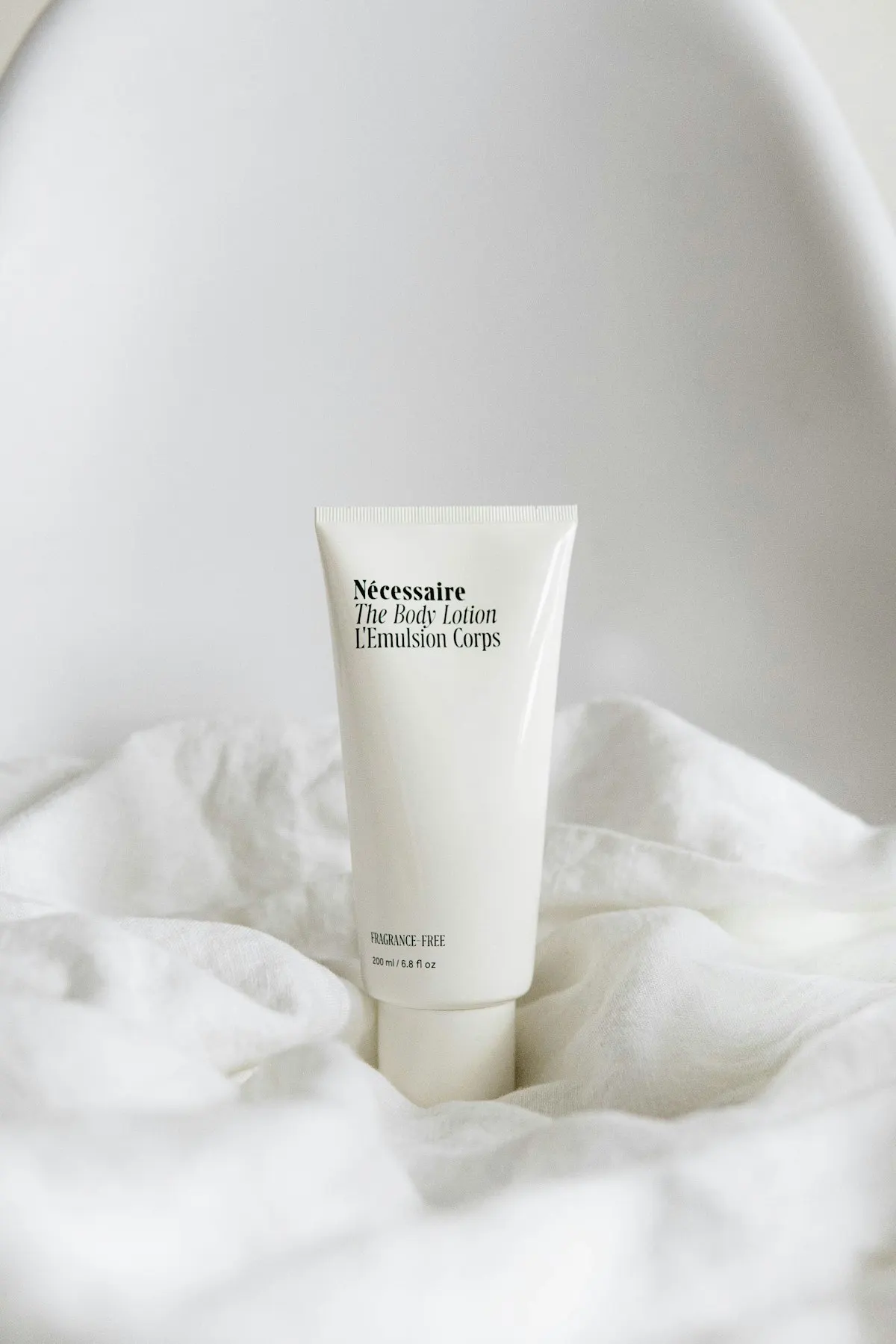
Hot/Cold Therapy Products
Therapeutic packs, wraps, and devices that use temperature to manage pain, reduce inflammation, and promote healing in injured tissues.
Benefits:
- Versatile pain management
- Improved circulation
- Reduced swelling

Home Traction & Resistance Equipment
Physiotherapist-guided home traction kits, resistance bands, and exercise accessories used to continue pain-management and strengthening programmes between clinic sessions.
Benefits:
- Continue clinic programmes at home
- Gradual, controlled strengthening
- Support for cervical and lumbar traction plans

TENS/EMS Units & Accessories
Electronic devices that use low-voltage electrical current to provide pain relief and muscle stimulation for therapeutic purposes.
Benefits:
- Non-invasive pain relief
- Muscle re-education
- Improved local circulation
Acupressure Mats & Tools
Therapeutic devices featuring pressure points that stimulate specific body areas to release tension, improve circulation, and relieve pain.
Benefits:
- Muscle tension release
- Enhanced relaxation
- Improved sleep quality
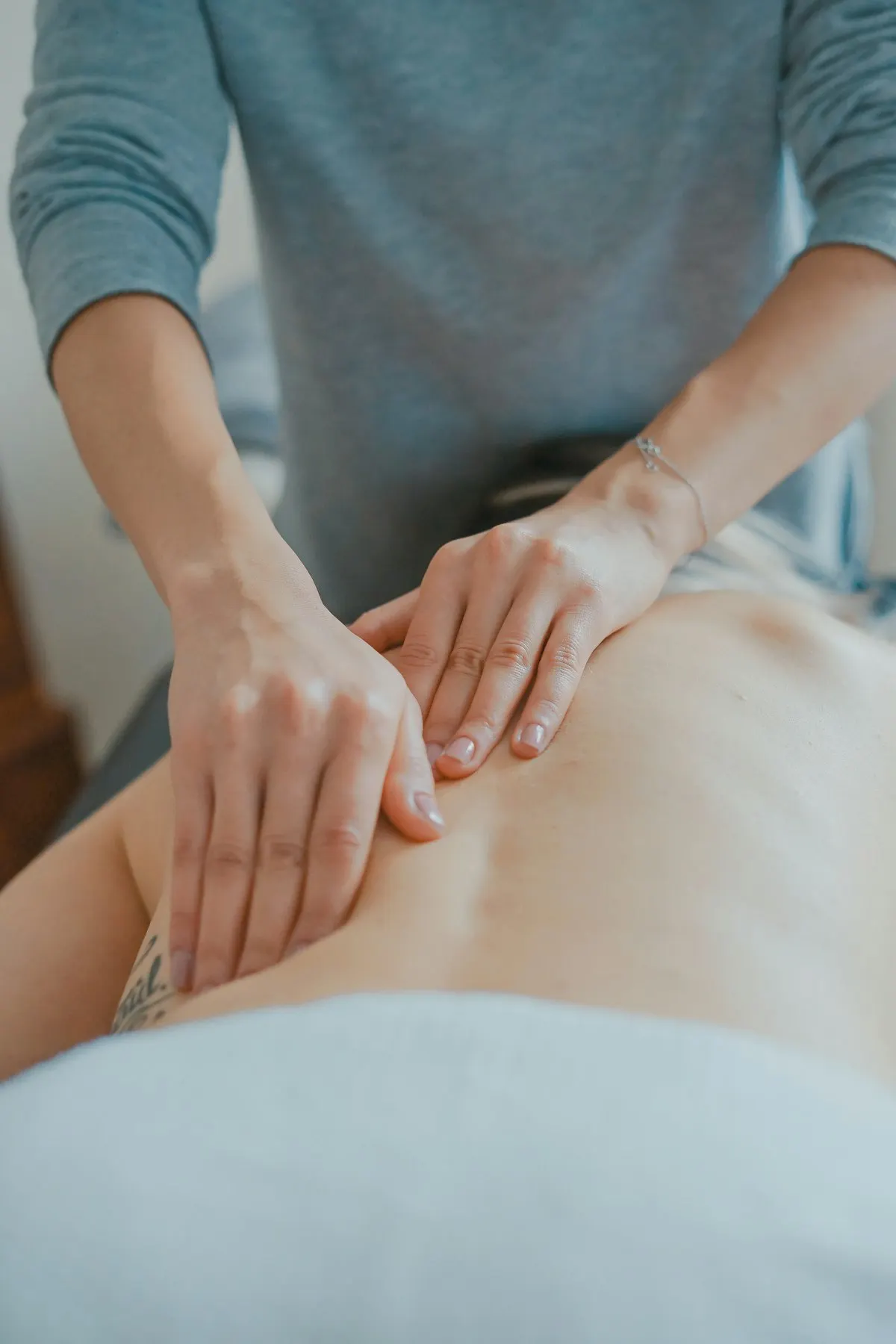
Massage Tools
Self-massage implements designed to release muscle tension, improve circulation, and provide pain relief in difficult-to-reach areas.
Benefits:
- Self-administered therapy
- Targeted pressure application
- Myofascial release
Product Ranges We Stock
MISERVE clinical-grade ranges fitted at the clinic, tap a range for sizes, guidance, and the conditions it supports.
Home pain-management products do one job well: they manage symptoms. Topical analgesic gels and sprays, hot and cold therapy packs, home TENS units, and resistance equipment can all make the hours between clinic visits more comfortable and your home exercises easier to do. What none of them can do is diagnose or fix the reason you are in pain, and at Modern Physio in Vaishali Nagar, Jaipur, we would rather tell you that plainly before you buy than after.
Used well, these products earn their place. Cold settles a fresh sprain; heat loosens a stiff back before exercise; a topical anti-inflammatory gel takes the edge off a sore knee; a TENS unit gives drug-free relief that some patients find genuinely useful for chronic aches; and graded resistance bands are how most of our prescribed home programmes actually get done. Dr. Surabhi Bansal (BPT, MPT Ortho, 14+ years of experience) and her team recommend specific products for specific situations, with dosage and safety instructions, the same way any clinical tool should be handed over.
The honest framing, which runs through everything on this page: if your pain keeps returning whenever the gel, the pack, or the machine wears off, that is your body telling you the cause has not been addressed. Persistent pain(anything beyond a few weeks, or pain that is worsening) needs assessment, not a bigger shopping basket. Patients across Jaipur come to us after months of rotating home remedies; the assessment they finally book is usually the thing that changes the trajectory.
Who This Helps
Patients already under treatment at our clinic who want reliable relief between sessions: heat or TENS for symptom control, bands for the prescribed exercise programme.
People with minor, recent strains and sprains who need sensible first-aid: cold packs, short-term topical analgesics, and guidance on when to get checked.
People with chronic, already-diagnosed conditions, such as osteoarthritis or long-standing back pain, using heat, topical gels, or TENS as part of an agreed management plan.
Patients stepping down from clinic-based care who want to continue self-management at home with the right equipment and a written programme.
People who prefer to limit oral painkillers and want drug-free or topical options, used within safe limits and with their doctor’s knowledge where other medicines are involved.
Family caregivers in Jaipur managing an elderly relative’s aches at home, who need clear, safe instructions for heat, cold, and topical products on older skin.
What a Session Looks Like
- 1
Tell us what you are managing. A product-advice visit at Modern Physio starts with your story: what hurts, for how long, what you have already tried, what medicines you take, and any conditions(diabetes, heart devices, pregnancy, skin problems) that change what is safe for you.
- 2
A focused assessment. Before recommending anything, the physiotherapist examines the painful area. Sometimes this visit ends with "you do not need a product, you need treatment", or the reverse, "this is minor; here is a pack and a week of self-care." You get the honest version either way.
- 3
Product selection and safety screening. We match the product to the problem and to you: cold versus heat for your stage of injury, whether a topical NSAID gel is appropriate alongside your other medicines, whether TENS is safe given your history, which band strengths fit your programme.
- 4
Demonstration and dosing. You try the product in clinic: where the electrodes go and what a TENS session should feel like, how long and how often to apply heat or cold, how much gel and how many times a day, how to anchor and use bands with correct form. You leave with written instructions, not just a box.
- 5
Clear stop rules. Every product comes with its limits: how many days of self-care are reasonable, what improvement to expect, and exactly which symptoms mean stop and call us.
- 6
Follow-up. At review, in clinic or by phone, we check what helped, adjust dosages or swap products, and if symptoms have not moved, we escalate to proper assessment and treatment rather than another round of the same.
Safety & Contraindications
This treatment is not suitable for everyone. Tell your physiotherapist about your full medical history: it is screened for at your first assessment.
- •Topical analgesics: never apply to broken, infected, or rash-covered skin, and do not combine with a heating pad over the same area: the combination can burn. If you have asthma, aspirin/NSAID allergy, kidney problems, or you are pregnant, check with a doctor or pharmacist before using NSAID-containing gels. Wash hands after use and keep products away from eyes and mucous membranes.
- •Heat and cold: take real care if you have diabetes, reduced skin sensation, poor circulation, or fragile skin: burns and cold injuries can develop without warning pain. Always use a cloth barrier, limit applications to around 10–15 minutes, and never sleep on a heating pad. Do not apply heat to a fresh, swollen injury or over areas of numbness.
- •TENS units: do not use if you have a cardiac pacemaker or other implanted electrical device. Do not place electrodes over the front or sides of the neck, over the chest across the heart, over broken skin, on areas with impaired sensation, or over the abdomen or trunk during pregnancy. People with epilepsy or suspected/undiagnosed pain should get clinical advice before using TENS at all.
- •Resistance equipment: stop and seek review if an exercise causes sharp or worsening pain (working muscles feeling loaded is expected; joint pain that climbs is not). Inspect bands for nicks before every session, a snapping band near the face is an avoidable injury.
- •All products: red-flag symptoms(night pain that wakes you, unexplained weight loss, fever with pain, numbness or weakness, loss of bladder or bowel control, or pain after significant trauma) need urgent medical assessment, not home management.
Expected Timeline
Relief from these products is real but short-horizon by design. Cold typically helps most in the first 24–48 hours after a minor injury; topical analgesics and heat give relief in the hours around each application; TENS relief often lasts during and shortly after a session. Minor strains managed with sensible self-care usually improve noticeably within one to two weeks. If a minor problem is not clearly settling in that window, stop cycling products and get assessed.
For chronic, diagnosed conditions, think of these products as maintenance tools inside a bigger plan. Heat before your exercise programme, TENS on difficult days, a topical gel for flare-ups: used this way, many patients keep symptoms manageable for the long term. The exercise programme remains the part that changes the underlying picture, and your physiotherapist will reassess at intervals, typically every few weeks early on, to progress it.
One pattern deserves naming because we see it weekly in Jaipur: months of rotating balms, sprays, and gadgets while the underlying problem quietly progresses. Home products are a complement to assessment and treatment, never a substitute. If you have been self-managing for more than a few weeks without lasting change, the next purchase that will actually help is an appointment.
Evidence Base
NHS guidance describes TENS as a drug-free method some people find helpful for pain relief, while noting the evidence is not conclusive and that it is not suitable for everyone, including people with pacemakers and in early pregnancy without advice.
NHS, TENS (transcutaneous electrical nerve stimulation)NHS guidance covers topical NSAIDs as an option for musculoskeletal pain with fewer systemic effects than tablets, alongside named cautions(allergy, asthma, and interactions) that we screen for before recommending gels.
NHS, NSAIDs (including topical forms)NICE guidance for low back pain recommends exercise as the core treatment and self-management support alongside it: home products fit as adjuncts to an active plan, not as the plan itself.
NICE guideline NG59, Low back pain and sciatica in over 16sNICE guidance on chronic primary pain emphasises supported self-management and exercise programmes, and cautions against relying on repeated symptomatic treatments without addressing the wider picture, the reason persistent pain at home warrants assessment.
NICE guideline NG193, Chronic pain in over 16sThe WHO identifies low back pain as a leading cause of disability worldwide and highlights the importance of appropriate assessment and active management rather than passive remedies alone.
World Health Organization, Low back pain fact sheetFrequently Asked Questions
Should I see a doctor or just buy a pain-relief product?
For a minor, recent strain with an obvious cause, a short period of sensible self-care is reasonable. See a clinician first if the pain is severe, followed trauma, has lasted more than a few weeks, keeps returning, or comes with numbness, weakness, fever, night pain, or unexplained weight loss. A physiotherapist can assess most musculoskeletal pain directly; Dr. Surabhi Bansal refers on for medical review whenever the picture needs it.
Hot or cold, which one should I use?
As a rule of thumb: cold for the first day or two after a fresh injury (it numbs pain and limits swelling), heat for stiffness, muscle tightness, and before exercise (warm tissue moves more comfortably). Using heat on a fresh swollen injury usually feels wrong because it is. A reusable gel pack that does both is the most practical first purchase, and we will tell you which mode fits your situation.
Do TENS machines actually work?
For some people, genuinely; for others, little effect: the research evidence is mixed, and NHS guidance says as much. TENS is drug-free, safe for most people when used correctly, and inexpensive to trial. We let patients test our clinic unit before buying, teach electrode placement for their specific pain, and screen for the situations where TENS must not be used, such as pacemakers and pregnancy.
Are pain-relief gels safer than painkiller tablets?
Topical NSAID gels put less medicine into your system than tablets, which is why they are often preferred for localised joint and muscle pain. They are not risk-free: they still carry cautions for people with asthma, aspirin or NSAID allergy, kidney problems, and in pregnancy, and they should not go on broken skin or under heat packs. If you take other regular medicines, check with your doctor or pharmacist first.
Can I use a heating pad every day for my chronic back pain?
Daily short applications(around 10–15 minutes, with a cloth barrier, never while sleeping) are reasonable for most people, and heat before exercise is a combination we actively recommend. Two cautions: reduced skin sensation or diabetes calls for extra care against burns, and if you need the pad every day just to function, that is a sign the underlying problem deserves assessment rather than indefinite heating.
Which resistance band strength should I buy?
The one your programme prescribes: bands are graded, and the right strength makes the last few repetitions feel like work without breaking your form. Most home programmes need two or three strengths as you progress. Rather than guessing from colours online, bring your programme (or get one) and we will match the bands to it at the clinic.
How long can I self-treat at home before I should get assessed?
A useful rule: if a minor problem is not clearly improving within one to two weeks of sensible self-care, or if it keeps coming back every time you stop the product, book an assessment. Pain that is worsening, spreading, or waking you at night should be assessed sooner. Home products manage symptoms: persistent symptoms mean the cause is still active.
Do you sell these products at the clinic, and what do they cost?
We stock the products our physiotherapists actually recommend(hot/cold packs, TENS units, topical analgesics, resistance bands and home traction accessories) at our Vaishali Nagar clinic. Prices vary by brand and change over time, so please call or WhatsApp +91 82334 02489 for current fees and availability. The clinic is open Monday to Saturday.
Can these products replace physiotherapy sessions?
No, and we will not pretend otherwise. Products control symptoms; treatment and exercise change the condition producing them. The best results we see come from combining the two: clinic treatment plus well-used home tools. The worst come from months of products alone while a treatable problem drifts. If budget is a constraint, tell us; a focused plan with home equipment is often possible after a proper assessment.
Conditions We Treat With This
Medically Reviewed
This content was reviewed for medical accuracy by Dr. Surabhi Bansal, BPT, MPT (Ortho) with 14+ years of clinical experience.
At Modern Physio, all medical content undergoes a thorough review process to ensure accuracy and alignment with current physiotherapy standards. Our content is created to educate and should not replace professional medical advice. Learn more about our review process.
Pain Management Solutions in Jaipur
Modern Physio in Jaipur offers a comprehensive range of high-quality pain management solutions carefully selected by Dr. Surabhi Bansal to complement your treatment and support your recovery journey.
Our curated collection of pain management solutions is designed to provide optimal therapeutic benefits for patients in Jaipur seeking professional-grade physiotherapy products for home use.
All products are available for purchase at our clinic in Jaipur, along with expert guidance from our physiotherapy team to ensure you select the most appropriate items for your specific condition and needs.