
Soft-Tissue & Instrument-Assisted Tools
Specialized techniques and tools to target deep tissues, improve circulation, and enhance recovery.
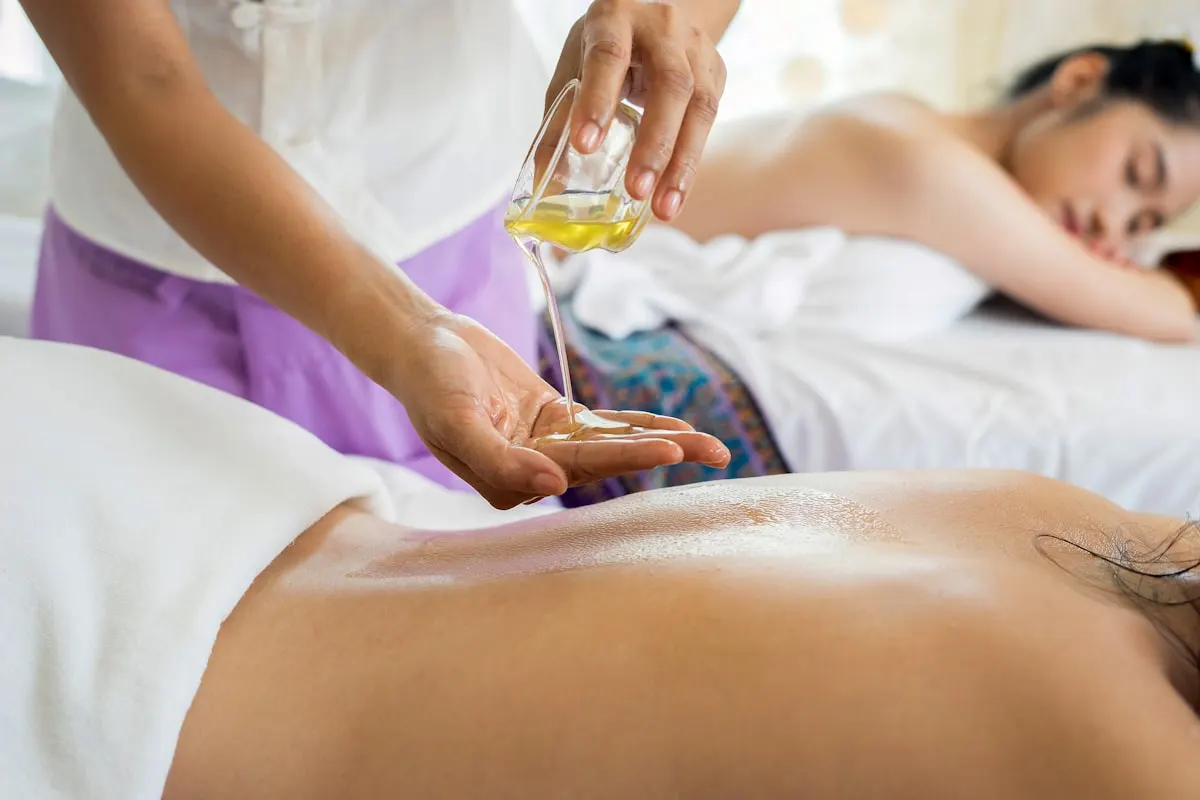
About Soft-Tissue & Instrument-Assisted Tools
Our soft-tissue and instrument-assisted tools provide targeted treatment for muscular pain, restriction, and dysfunction.
These specialized techniques help break down scar tissue, improve blood flow to damaged areas, release trigger points, and stimulate the body's natural healing response.
By combining these techniques with other therapeutic approaches, we can effectively address both acute and chronic soft tissue conditions that limit your movement and function.
Soft-tissue and instrument-assisted techniques target tight, painful muscle and fascia using specialised tools rather than hands alone. At Modern Physio in Vaishali Nagar, Jaipur, this group of treatments includes cupping (vacuum) therapy, instrument-assisted soft-tissue mobilisation (IASTM, often called the Graston technique), acupressure and trigger-point tools, and taping. Dry needling, a related technique using fine filament needles on trigger points, has its own dedicated page, and cupping has a detailed page of its own as well.
The common idea behind all of them: apply a controlled mechanical stimulus to soft tissue to reduce pain sensitivity, ease muscle tension and improve tolerance to movement. Cupping uses negative pressure to lift and decompress tissue; IASTM uses smooth-edged metal or polymer instruments glided along muscle and fascia; trigger-point tools apply sustained direct pressure to irritable knots in muscle.
We are straightforward about the evidence: these techniques reliably help many people feel looser and less sore in the short term, but research does not show they "break down scar tissue" in any literal sense, and guidelines are clear they should support, not replace, exercise. At our clinic they are one part of a session, used to open the door for the active work that produces lasting change.
Who This Helps
These techniques suit people with muscle-dominant pain: tight trapezius and neck-shoulder pain from long desk hours (very common among IT and work-from-home professionals in Jaipur), chronic low back muscle tension, tennis elbow and other tendon-related pain, calf and hamstring tightness in runners, and general post-training soreness in athletes.
Cupping is often requested by patients who have tried it traditionally as hijama; we use dry vacuum cupping only(no incisions, no bleeding) with strict hygiene and a physiotherapy rationale. IASTM suits areas of long-standing stiffness such as around old injuries or immobilised joints. Trigger-point work suits people with well-localised, pressure-reproducible knots that refer pain in familiar patterns.
They are less suitable as the main treatment when the problem is joint-based, nerve-root related or inflammatory, the assessment sorts this out before any tool touches your skin.
What a Session Looks Like
- 1
Assessment: the physiotherapist takes your history, screens medications (especially blood thinners), examines skin condition, and maps the painful tissue, locating trigger points and testing which movements reproduce your symptoms.
- 2
Technique selection and consent: we explain which tool we propose(cupping, IASTM, trigger-point pressure or a referral into dry needling) what it will feel like, the likely skin marks, and the alternatives, then take your consent.
- 3
Preparation: the area is cleaned; for IASTM an emollient is applied so instruments glide smoothly; for cupping, the cup size and suction level are chosen for the body region.
- 4
Treatment: cupping is typically applied for 5–10 minutes, either static or glided over the muscle; IASTM strokes are worked along the tissue for a few minutes per region; trigger-point pressure is held until the tenderness noticeably eases. Firm but tolerable: you tell us the moment it is more than that.
- 5
Active follow-up: immediately after release work, we retest your movement and put the gain to use: stretches, loading exercises or posture drills matched to your condition.
- 6
Aftercare and home plan: we explain the expected marks (cupping circles typically fade over 3–10 days), any post-treatment soreness, and your home programme, then record your response to guide the next session.
Safety & Contraindications
This treatment is not suitable for everyone. Tell your physiotherapist about your full medical history: it is screened for at your first assessment.
- •Anticoagulant (blood-thinning) medication or bleeding disorders: cupping and firm instrument work can cause significant bruising or bleeding under the skin, so we either avoid these techniques or modify pressure substantially after discussing your medication.
- •Skin infection, open wounds, active eczema or psoriasis flares, or fragile skin (as in long-term steroid use or advanced age): no suction or instrument gliding over the affected area.
- •Known or suspected malignancy in the treatment area, or a history of cancer without medical clearance: soft-tissue tools are not applied over such areas.
- •Acute inflammation, fresh muscle tears or recent significant injury: aggressive soft-tissue work in the first days can worsen tissue damage; we wait and use gentler care first.
- •Varicose veins are a specific caution for cupping: suction is not applied over them. Deep vein thrombosis (suspected or confirmed) rules out soft-tissue work on that limb entirely.
- •For dry needling specifically: needle phobia, pregnancy (certain points), pacemakers with electrical stimulation, and immune compromise are screened before treatment; these are covered in detail on our dry needling page.
- •We also screen for diabetes with impaired skin sensation and for lymphoedema, both of which change how, or whether, these techniques are used.
Expected Timeline
Most people feel looser and less tender immediately after a session, with the effect lasting from a day to several days at first. Mild soreness for 24–48 hours afterwards is common and normal, much like post-exercise soreness. Cupping marks are expected and painless; they are not bruises from injury and typically fade within a week to ten days.
Over a course of treatment, usually once or twice weekly for two to four weeks, the aim is for relief to last longer each time while your exercise programme builds capacity underneath. We formally reassess around week three: if the combination is clearly working, we space sessions out; if soft-tissue work is giving only fleeting relief, we change approach rather than continuing indefinitely. Long-standing myofascial pain, especially with years of desk posture behind it, tends to need the full course plus sustained exercise habit.
The end goal is independence: you managing your own tissue health with movement, strength work and simple self-release tools, visiting us for reviews or flare-ups rather than standing appointments.
Evidence Base
NICE guidance on chronic primary pain includes considering a course of acupuncture or dry needling as one of the few non-drug treatments with supporting trial evidence, delivered within a structured care plan.
NICE guideline NG193, chronic pain in over 16s: assessment and managementA Cochrane review found that acupuncture and dry needling may be useful adjuncts to other therapies for chronic low back pain, while noting the evidence base is limited: supporting their use alongside, not instead of, active rehabilitation.
Cochrane review CD001351, acupuncture and dry-needling for low back pain (Furlan et al.)A systematic review of instrument-assisted soft-tissue mobilisation (IASTM) found some evidence of short-term improvements in joint range of motion, but insufficient consistent evidence that IASTM outperforms other treatments for pain and function, which is why we use it as an adjunct with measured response, not a standalone cure.
Cheatham et al., systematic review of IASTM efficacy (J Can Chiropr Assoc, 2016)UK NICE guidance for low back pain recommends manual and soft-tissue therapies only as part of a treatment package that includes exercise, the model every soft-tissue session at our clinic follows.
NICE guideline NG59, low back pain and sciatica in over 16sFrequently Asked Questions
Is physiotherapy cupping the same as hijama?
No. Hijama (wet cupping) involves small skin incisions and drawing blood. We practise dry vacuum cupping only: suction is applied to intact skin to decompress soft tissue, with no cuts and no bleeding. Cups are hygienically maintained, suction is controlled, and the technique is chosen on physiotherapy assessment findings, not as a ritual course.
Are the round marks after cupping harmful?
The circular marks are expected and not harmful. Suction draws blood towards the skin surface, leaving a painless discolouration that typically fades over 3–10 days. They are not injury bruises. If you have an important event coming up, tell us: we can adjust cup placement or defer treatment, since the marks are visible.
Does IASTM or Graston actually break down scar tissue?
That claim is stronger than the evidence. Research shows IASTM can improve range of motion and reduce pain sensitivity in the short term, but there is no good evidence that instruments literally break adhesions apart. We use IASTM because it helps people move better, and we pair it with exercise, which is what drives lasting tissue change.
I take blood thinners. Can I still have cupping or deep tissue work?
Tell us before treatment: this matters. Anticoagulants and bleeding disorders make bruising and under-skin bleeding much more likely, so strong suction and aggressive instrument work are avoided. Depending on your medication and doctor’s advice, we may use gentle techniques instead, or focus your sessions on exercise-based care, which carries no bleeding risk.
What is the difference between dry needling and acupuncture?
Both use fine filament needles, but the frameworks differ. Dry needling targets myofascial trigger points identified on physical examination, using anatomy-based reasoning; traditional acupuncture follows meridian theory. UK guidance for chronic primary pain considers needling delivered under either system a reasonable option. Our dry needling page explains our screening and technique in detail.
Do these treatments hurt?
They are firm rather than painful. Cupping feels like strong pulling; IASTM feels like deep, brisk rubbing; trigger-point pressure recreates your familiar ache before it eases. Nothing should be gritted-teeth painful: we work to your feedback, and mild next-day soreness like a good workout is the normal upper limit.
Should I see a doctor for this pain first, or is a physiotherapist enough?
For muscle and joint pain you can come to us directly, no referral needed. Dr. Surabhi Bansal (BPT, MPT Ortho, 14+ years) leads the clinic, and every soft-tissue treatment starts with an assessment that screens for problems needing medical attention: infection, unexplained masses, inflammatory disease, clot risk. If we find any such sign, we refer you to the right doctor and say so plainly.
How do I book, and what will a session cost?
The in-clinic session fee is ₹400, paid per visit. Cupping, taping and dry needling are charged separately on top of that, and the rates are listed on our fees page; we tell you the cost before using any of them. Call or WhatsApp +91 82334 02489 to book a time. The clinic at 73 East, Giriraj Vihar Rd, near Shalby Hospital, Bhairav Nagar, Vaishali Nagar, is open Mon to Sat 07:00-21:00, and Sunday mornings 07:00-13:00, so before-office and after-office slots are both available on weekdays.
Can I just buy a cupping set or massage gun online and treat myself?
Self-massage tools have a place, and we often teach patients to use simple release balls or foam rollers at home. But self-treating without an assessment risks working on the wrong tissue, or over varicose veins, fragile skin or an undiagnosed problem. Get assessed once, learn what is actually driving your pain, and we will happily set you up with a safe self-care routine.
Conditions We Treat With This
Products That Support This
Medically Reviewed
This content was reviewed for medical accuracy by Dr. Surabhi Bansal, BPT, MPT (Ortho) with 14+ years of clinical experience.
At Modern Physio, all medical content undergoes a thorough review process to ensure accuracy and alignment with current physiotherapy standards. Our content is created to educate and should not replace professional medical advice. Learn more about our review process.
Our Soft-Tissue & Instrument-Assisted Tools Services
Cupping Therapy
Technique using suction cups to improve circulation, reduce muscle tension, and promote healing.
IASTM / Graston Technique
Instrument-assisted soft tissue mobilization using specialized tools to break down scar tissue and fascial restrictions.
Kinesio / Rigid Taping & Strapping
Specialized taping techniques to provide support, reduce pain, and improve movement patterns.
Acupressure Trigger-Point Tools
Tools that apply targeted pressure to specific points to relieve pain and muscle tension.
Other Service Categories
Assessment & Education
4 services available
Therapeutic Exercise & Movement
5 services available
Manual Therapy Techniques
4 services available
Electro-physical Modalities
5 services available
Thermal Modalities
4 services available
Mechanical Modalities
3 services available
Aquatic & Respiratory Programmes
3 services available
Pelvic & Women's Health Services
4 services available
Neurological & Vestibular Rehab
4 services available
Post-Surgical & Prosthetic Care
3 services available
Preventive / Workplace & Digital Add-Ons
4 services available
Explore Other Service Categories

Assessment & Education
Comprehensive evaluation and educational services for understanding your condition and rehabilitation process.
Therapeutic Exercise & Movement
Customized movement therapies designed to restore function, build strength, and enhance mobility.

Manual Therapy Techniques
Hands-on treatment approaches to relieve pain, reduce muscle tension, and improve tissue mobility.