
Support & Bracing Products in Jaipur
Support and bracing products play a crucial role in recovery after injury, post-surgical rehabilitation, or treatment of chronic musculoskeletal conditions. These products provide stability to joints, reduce inflammation, and accelerate the healing process.
In Jaipur, we only provide the highest quality medical-grade supports and braces specifically designed for various types of injuries and conditions. Every support aligns with physiotherapy principles and is recommended by our experts to ensure optimal recovery.
Choosing the right support brace is important, and our physiotherapists can help you select the right product based on your specific needs. We have knee braces, ankle supports, wrist braces, back supports, and much more available.
Benefits
Helps faster recovery from injury
Provides stability to affected area
Reduces pain and inflammation
Improves mobility
Prevents re-injury
Provides comfort during daily activities
Types of Support & Bracing Products

Spinal Supports
Specialized supports for various regions of the spine, designed to improve posture, provide stability, and alleviate pain in the back region.
Benefits:
- Improved spinal alignment
- Reduced back pain
- Better posture
Upper Extremity Supports
Braces and supports for shoulders, arms, elbows, wrists, and hands to aid recovery and provide stability during healing and daily activities.
Benefits:
- Joint stabilization
- Reduced inflammation
- Pain management
Lower Extremity Supports
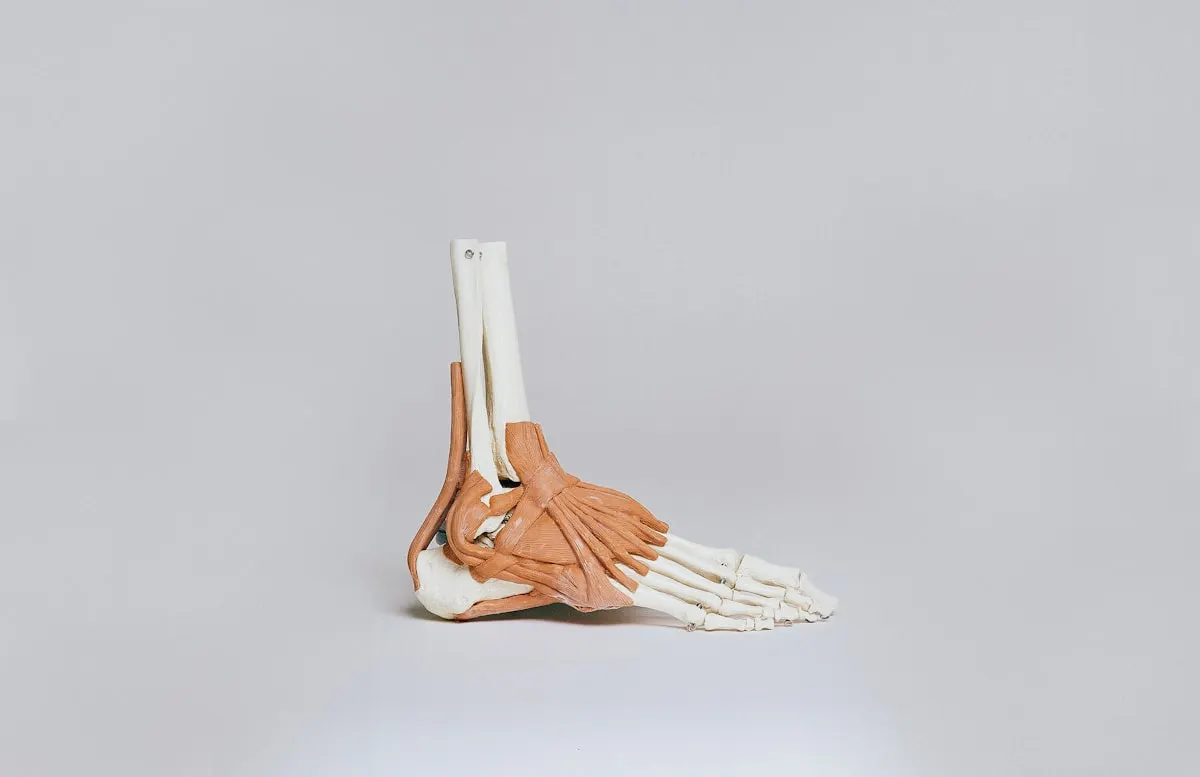
Support products for hips, knees, ankles, and feet designed to enhance stability, manage pain, and assist during recovery from injuries.
Benefits:
- Enhanced joint stability
- Improved weight bearing
- Better mobility

Cervical Supports & Pillows
Cervical pillows, contoured neck supports, and soft collars that maintain healthy neck alignment during sleep and support recovery from neck pain.
Benefits:
- Better neck alignment during sleep
- Reduced morning neck stiffness
- Support during cervical pain episodes
Product Ranges We Stock
MISERVE clinical-grade ranges fitted at the clinic, tap a range for sizes, guidance, and the conditions it supports.
Cervical Collars
2 products
Lumbar & Spinal Support Belts
8 products
Posture Correctors
2 products
Knee Caps & Braces
11 products
Shoulder Supports & Arm Slings
6 products
Elbow Supports
3 products
Wrist Braces & Splints
7 products
Finger Splints
5 products
Ankle Supports
7 products
Foot Drop Splints
1 product
Insoles & Arch Supports
7 products
Heel Cups & Cushions
7 products
Toe Care Products
5 products
Compression Stockings
2 products
Pediatric Orthopedic Supports
2 products
A brace is a tool with a time and a place, and the honest answer is that the time is usually shorter than people expect. At Modern Physio in Vaishali Nagar, Jaipur, we supply and fit spinal supports, cervical collars, and upper and lower extremity braces, but every fitting comes with the same message: bracing is phase-specific. It has a clear job in the early, painful, or protected phase of a problem, and its job ends as your own muscles and joints take back the work.
Worn beyond that phase, a brace starts working against you. Muscles that are rested long-term become weaker, and weaker muscles need the brace more, a dependence loop we see regularly in patients who bought a lumbar belt or soft collar years ago and never took it off. That is why our physiotherapists give every brace a wearing schedule and a planned stop date, paired with the strengthening exercises that make the brace progressively unnecessary.
Fitting matters as much as choice. The wrong size slides, rotates, digs in, or fails to control the movement it was bought to control. Dr. Surabhi Bansal (BPT, MPT Ortho, 14+ years of experience) and her team measure and fit each support in clinic, and where a brace has been prescribed by your surgeon(after spinal, knee, or shoulder surgery) we fit it to the surgeon’s protocol and never modify the plan without their agreement. If your surgeon or doctor has given bracing instructions, those instructions come first.
Who This Helps
People in an acute flare-up(a lifting strain, a fresh episode of disc-related back pain, an ankle sprain) who need short-term support to stay mobile while the irritation settles.
Post-surgical patients whose surgeon has prescribed a brace with a defined protocol: hinged knee braces after ligament surgery, spinal orthoses after certain spinal procedures, shoulder immobilisers after repair. We fit these to the protocol.
Patients with ligament instability, for example after an ACL injury or repeated ankle sprains, who need structured support during sport or heavy work while rehabilitation rebuilds control.
People with painful osteoarthritis of the knee or thumb, where a well-chosen support can make daily activity more comfortable as part of an exercise-led plan.
Workers whose jobs involve repeated lifting or long, rough commutes, who may benefit from support during those specific activities, not all day.
Patients with neck pain flare-ups for whom a soft collar, used sparingly and briefly on physiotherapist advice, makes travel or desk work tolerable while treatment progresses.
What a Session Looks Like
- 1
History first. We ask what the brace is for(an injury, a diagnosis, a surgeon’s prescription, or a recurring problem) and review any operative notes or protocols you bring. This decides the type of support, or whether you need one at all.
- 2
Physical assessment. The physiotherapist examines the joint or spine region: movement, stability, swelling, skin condition, and circulation. This is also where we screen for the cautions above before recommending anything.
- 3
Selection and sizing. We measure the limb or trunk at the points the product’s sizing chart requires(thigh and mid-patella for knee braces, waist or hip girth for lumbar belts, neck height for collars) and select the specific model and size that controls what needs controlling, nothing more.
- 4
Fitting and demonstration. You put the brace on with us, we adjust straps, hinges, or panels, and check it under movement: it should not slide, rotate, restrict breathing, or leave marks. You practise putting it on and taking it off yourself until it is right without help.
- 5
Wearing schedule and skin-care instructions. You leave with clear rules: which activities to wear it for, how many hours, when to remove it (almost always at rest and overnight unless a surgeon says otherwise), and how to check your skin at every removal.
- 6
Exercise plan alongside. Because the brace is temporary, we prescribe the strengthening programme that will replace it, with the same seriousness as the fitting itself.
- 7
Follow-up and weaning. At review visits we reassess strength and stability, refit or adjust the brace if your swelling or size has changed, and progressively reduce wearing time. The goal of every fitting is a planned goodbye to the brace, except for the minority of long-term orthoses that are genuinely needed.
Safety & Contraindications
This treatment is not suitable for everyone. Tell your physiotherapist about your full medical history: it is screened for at your first assessment.
- •Circulation problems: if you have peripheral vascular disease, severe varicose veins, or a history of clots, compression-style supports need clinical clearance first, a brace that is snug on a limb with poor circulation can do real harm.
- •Reduced sensation: with diabetes-related neuropathy or other numbness, you may not feel a brace rubbing or cutting in. Skin must be checked visually every time the brace comes off, and fitting should be professional, not guesswork.
- •Broken or fragile skin: do not strap a brace over wounds, ulcers, active infection, or severe swelling without clinical advice. Skin breakdown under a badly fitted support is one of the commonest avoidable complications we see.
- •Warning signs while wearing: numbness, tingling, colour change, or increasing pain under any brace means it is too tight or wrongly positioned: loosen or remove it and get the fit reviewed.
- •Never self-prescribe a cervical collar after an accident or fall. Neck injuries with trauma need medical assessment before any collar is used, and rigid collars in particular belong under clinical supervision.
- •Long-term, all-day wear without review: this is not a named medical contraindication but it is the most damaging pattern, it deconditions the muscles the brace is standing in for. Every brace we fit comes with a schedule and a stop point.
- •If your surgeon has prescribed the brace, do not change the wearing protocol, unlock hinges, or discard it early on your own: those decisions belong to the surgeon, with your physiotherapist coordinating.
Expected Timeline
For acute problems(strains, sprains, flare-ups) bracing is typically a matter of days to a few weeks. Many patients need support mainly during aggravating activities in the first one to three weeks, tapering off as pain settles and the exercise programme takes hold. If you still feel unable to manage without the brace beyond that window, that is a finding to bring to review, not a reason to keep wearing it quietly.
Post-surgical bracing follows the surgeon’s protocol, which commonly runs from a few weeks to around three months depending on the procedure, with staged changes, for example, a hinged knee brace progressively unlocked through wider ranges. Your physiotherapist coordinates the rehabilitation around those stages and reassesses at each one; the protocol’s dates are the surgeon’s call, not ours or yours.
For chronic conditions such as knee osteoarthritis or recurrent instability, a support may have a longer role, but as an activity-specific tool(worn for the walk, the shift, or the match) rather than a constant companion. We review these patients periodically: if the strengthening plan is working, most find they reach for the brace less over months, and that reduction is the outcome we are aiming for.
Evidence Base
NICE guidance on low back pain specifically advises against offering belts or corsets for managing low back pain, and recommends exercise as a core treatment, which is why we position lumbar supports as short-term comfort aids at most, never as treatment.
NICE guideline NG59, Low back pain and sciatica in over 16sNICE guidance on osteoarthritis recommends therapeutic exercise and weight management as core treatments, with devices considered only as adjuncts alongside them: supporting an exercise-first, brace-as-helper approach for arthritic joints.
NICE guideline NG226, Osteoarthritis in over 16sNHS guidance for back pain emphasises staying active and continuing normal activities as one of the most important things you can do: prolonged rest and prolonged immobilisation are not recommended.
NHS, Back painNHS guidance for sprains and strains describes short-term protection followed by progressive return to movement: reflecting the phase-specific role of supports in soft-tissue injury.
NHS, Sprains and strainsThe Chartered Society of Physiotherapy advises that movement and exercise, not rest alone, are central to recovering from back pain, the principle behind pairing every brace with an active rehabilitation programme.
Chartered Society of Physiotherapy, Back painFrequently Asked Questions
Do I need a doctor’s prescription to buy a brace, or can a physiotherapist advise me?
Most supports can be recommended and fitted by a physiotherapist after assessment, no prescription needed. The exceptions are post-surgical braces and post-trauma situations, where the surgeon’s or doctor’s instructions define the brace and the protocol, and we fit to those instructions. If you are unsure which situation you are in, call or WhatsApp us at +91 82334 02489 and we will tell you honestly.
Can I wear my lumbar belt all day for back pain?
We advise against it. All-day wear rests the trunk muscles that should be supporting your spine, and over weeks they weaken: making you feel you need the belt more, not less. Wear it for the activities that provoke your pain, remove it at rest and overnight, and do the strengthening exercises that make it redundant. UK guidance (NICE NG59) does not recommend belts as a treatment for low back pain at all.
Will a knee brace cure my knee pain?
No brace cures anything: that is not what they are for. A well-fitted knee support can make walking and stairs more comfortable and give a feeling of security, which helps you stay active while exercise therapy addresses the underlying problem. For osteoarthritis, guidance is clear that exercise and weight management are the core treatments; a brace is a helper alongside them.
Is it safe to buy a cervical collar online for my neck pain?
We would rather you did not, for two reasons. First, if your neck pain follows an accident or comes with arm symptoms, dizziness, or weakness, you need assessment before any collar. Second, collars used casually and long-term decondition the neck muscles. When a soft collar genuinely helps(usually briefly, during a flare-up) we fit it, set strict wearing hours, and give a stop date.
How do I know if my brace is too tight?
Numbness, tingling, pins and needles, skin turning pale, bluish, or deep red, swelling below the brace, or marks that do not fade within about 20–30 minutes of removal all mean it is too tight or badly positioned. Loosen it immediately and get the fit checked. If you have diabetes or reduced sensation, inspect the skin visually at every removal, because you may not feel a problem developing.
My surgeon gave me a brace after surgery. Can you adjust it?
We fit and adjust post-surgical braces within your surgeon’s protocol: strap tension, padding, hinge settings at the prescribed range. We do not change the protocol itself: wearing duration, range progressions, and the removal date are the surgeon’s decisions. If something about the brace seems wrong, we will contact the surgical team with you rather than improvise.
How long will I need to wear my brace?
It depends on the phase and the problem: days to a few weeks for most acute strains and sprains, weeks to about three months for post-surgical protocols, and activity-specific use for chronic conditions. What we can promise is that every fitting at our Jaipur clinic comes with a planned schedule and review dates, no open-ended bracing.
Can a brace prevent injury during sport?
For some situations, such as previously sprained ankles, supportive bracing during sport can reduce the risk of re-injury, and we do recommend it selectively. But the stronger, better-evidenced protection is a proper strength, balance, and landing-control programme. We usually pair the two rather than relying on the brace alone.
What does a brace fitting cost at Modern Physio?
Costs vary by product type and brand, and assessment fees depend on what your situation needs, so please call or WhatsApp +91 82334 02489 for current fees. The clinic is open Monday to Saturday, 9 am to 1 pm and 5 pm to 9 pm, and closed on Sunday, so fittings are easy to schedule around work.
Conditions We Treat With This
Products That Support This
Medically Reviewed
This content was reviewed for medical accuracy by Dr. Surabhi Bansal, BPT, MPT (Ortho) with 14+ years of clinical experience.
At Modern Physio, all medical content undergoes a thorough review process to ensure accuracy and alignment with current physiotherapy standards. Our content is created to educate and should not replace professional medical advice. Learn more about our review process.
Support & Bracing Products in Jaipur
Modern Physio in Jaipur offers a comprehensive range of high-quality support & bracing products carefully selected by Dr. Surabhi Bansal to complement your treatment and support your recovery journey.
Our curated collection of support & bracing products is designed to provide optimal therapeutic benefits for patients in Jaipur seeking professional-grade physiotherapy products for home use.
All products are available for purchase at our clinic in Jaipur, along with expert guidance from our physiotherapy team to ensure you select the most appropriate items for your specific condition and needs.