
Flat Feet
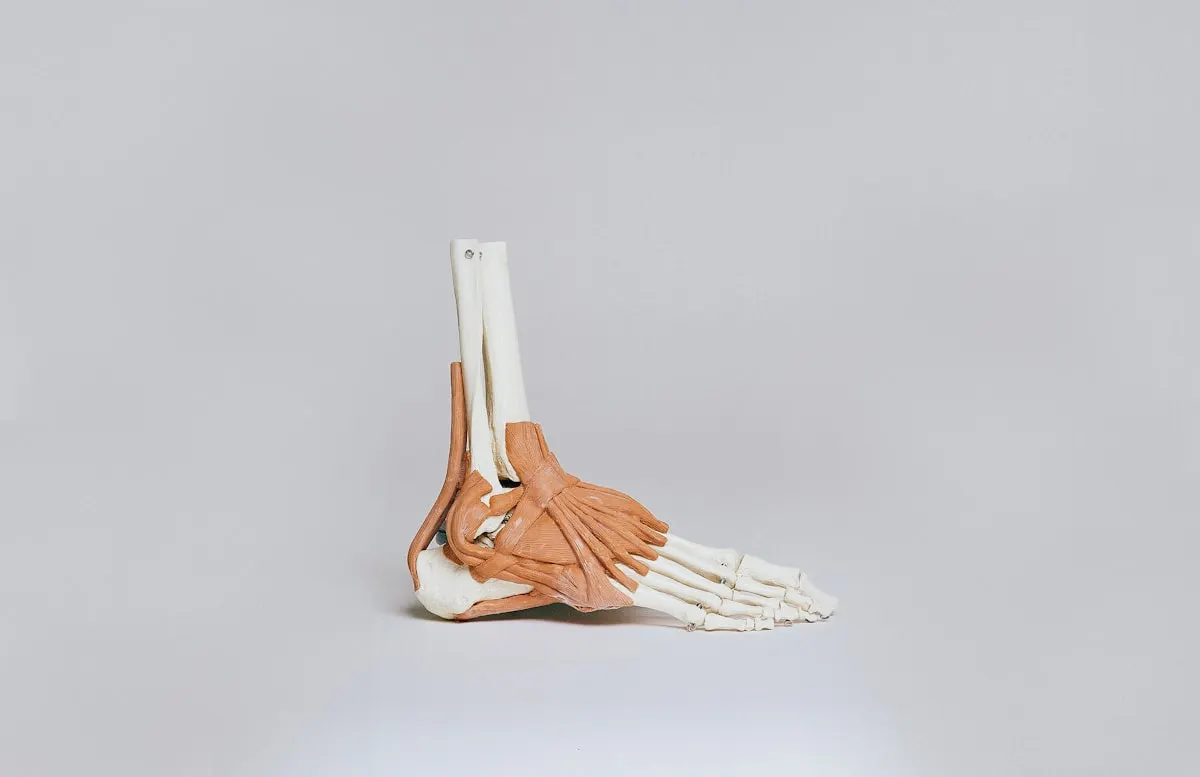
Flat feet (pes planus) is a condition where the arches on the inside of your feet are flattened, causing the entire sole of your foot to touch the ground when standing. At Modern Physio we focus on understanding the root-cause of your problem & personalizing your treatment for lasting results.
Understanding Flat Feet
Flat feet (pes planus) is a condition where the arches on the inside of your feet are flattened, causing the entire sole of your foot to touch the ground when standing. While many people with flat feet experience no pain or problems, others may develop issues with foot alignment, stability, and mobility. At Modern Physio in Jaipur, our expert physiotherapists provide comprehensive assessment and treatment for symptomatic flat feet to improve function and reduce pain.
Flat feet can be present from birth or develop over time due to factors like injury, age-related changes, or certain health conditions. There are two main types: flexible flat feet, where arches appear when not bearing weight, and rigid flat feet, where arches remain flat regardless of weight-bearing status. Understanding your specific type is important for appropriate treatment.
Common Symptoms
- Visible flattening of the foot arch when standing
- Foot pain, particularly in the arch or heel area
- Swelling along the inside of the ankle
- Tired or achy feet after prolonged standing or physical activity
- Pain in the calf, knee, hip, or lower back due to altered biomechanics
- Difficulty with certain activities like running or standing for long periods
- Foot turning outward at the ankle (overpronation)
- Shoes wearing unevenly, particularly with more wear on the inner side
How Common Is It?
Flat feet are quite common, affecting approximately 20-30% of the general population. The condition appears in two main forms: congenital (present from birth) and acquired (developing later in life). Most children are born with flat feet and develop arches as they grow, with about 10-20% of children continuing to have flat feet into adulthood. In India, the prevalence is similar to global statistics, with sedentary lifestyle, improper footwear, and increasing obesity contributing to a rise in symptomatic cases.
Causes & Risk Factors
- Genetic factors – flat feet can run in families
- Developmental – incomplete arch formation during childhood
- Injuries to the foot or ankle, such as tendon tears or fractures
- Wear and tear on the posterior tibial tendon with age
- Obesity, which puts increased pressure on the feet
- Pregnancy – temporary flat feet due to hormonal changes and weight gain
- Medical conditions like rheumatoid arthritis or diabetes
- Prolonged standing or walking on hard surfaces
- Improper footwear with inadequate arch support
Our Diagnosis Process
- Comprehensive foot and lower limb assessment
- Visual examination of foot structure while standing, sitting, and walking
- Footprint analysis to assess arch pattern
- Measurement of foot flexibility and joint range of motion
- Gait analysis to observe walking pattern and biomechanics
- Assessment of muscle strength in foot, ankle, and lower leg
- Examination of current footwear for wear patterns and support
- Evaluation of related body mechanics including knee, hip, and lower back
Our Treatment Approach
- Targeted exercises to strengthen foot arch muscles, particularly tibialis posterior and intrinsic foot muscles
- Manual therapy techniques to improve foot mobility and reduce pain
- Recommendations for appropriate footwear with good arch support
- Custom orthotic assessment and prescription for proper foot support
- Gait retraining to improve walking mechanics
- Balance and proprioception training
- Taping techniques for temporary arch support and biomechanical correction
- Activity modification guidance to prevent symptom exacerbation
Treatment Benefits
Reduced foot pain and fatigue
Improved walking mechanics and stability
Prevention of secondary issues in knees, hips, and back
Enhanced tolerance for standing and physical activities
Self-Care & Management
- Wear supportive shoes with good arch support, especially during prolonged standing or walking
- Perform your prescribed foot exercises daily
- Use custom orthotics as recommended by your physiotherapist
- Maintain a healthy weight to reduce pressure on your feet
- Replace worn-out shoes regularly
- Avoid walking barefoot on hard surfaces for extended periods
- Consider adding cushioned mats in areas where you stand for long periods
- Apply ice to your feet after long periods of standing if you experience pain
- Take regular breaks and elevate your feet when possible during the day
- Consider low-impact activities like swimming or cycling instead of high-impact activities that stress the feet
Frequently Asked Questions
Can flat feet be corrected in adults?
While the structural arch of an adult's foot cannot be completely recreated once it has flattened, the function and symptoms associated with flat feet can be significantly improved. Our treatment approach at Modern Physio focuses on strengthening the muscles that support the arch, improving foot mechanics, and providing appropriate external support through footwear and orthotics. Many adults with flat feet experience substantial pain relief and improved function through consistent physiotherapy and proper foot care, even if the visual appearance of the arch doesn't completely change.
Do I need custom orthotics for my flat feet, or are over-the-counter inserts sufficient?
The need for custom orthotics versus over-the-counter inserts depends on the severity of your flat feet and related symptoms. For mild cases with minimal symptoms, good quality over-the-counter arch supports may be sufficient. However, for moderate to severe flat feet or when experiencing significant pain or biomechanical issues, custom orthotics are often more effective as they are precisely made to fit your foot's unique shape and address your specific needs. During your assessment at Modern Physio, our physiotherapists will evaluate your condition and recommend the most appropriate option based on your individual requirements.
Can I continue to exercise with flat feet?
Yes, you can and should continue to exercise with flat feet, but you may need to make some modifications. Physical activity is important for overall health and can actually help strengthen the muscles that support your feet. We recommend low-impact activities like swimming, cycling, or elliptical training that put less stress on the feet, especially during periods of pain. Using appropriate footwear with good arch support and possibly custom orthotics during exercise is crucial. Our physiotherapists can provide specific exercise recommendations tailored to your condition and fitness goals, including exercises that might actually help improve your foot function.
What types of shoes are best for people with flat feet?
The best shoes for people with flat feet provide adequate arch support, stability, and cushioning. Look for shoes with a firm heel counter to stabilize the heel, a supportive midsole with good arch support, and sufficient flexibility at the ball of the foot. Motion control or stability shoes are often recommended for flat feet, particularly for those who overpronate (feet roll inward when walking). It's also important that shoes have a wide toe box to prevent crowding of the toes. Brands like Asics, Brooks, and New Balance often have good options for flat feet. Avoid completely flat shoes like most sandals, ballet flats, or loafers without support. Our physiotherapists can provide personalized footwear recommendations based on your specific foot structure and needs.
Is surgery necessary for flat feet?
Surgery for flat feet is rarely necessary and is typically only considered when conservative treatments have failed and the condition causes severe pain or disability. The vast majority of people with flat feet can manage their condition effectively through non-surgical approaches including physiotherapy, orthotics, proper footwear, and lifestyle modifications. Surgery might be considered in cases of rigid flat feet with significant structural problems, progressive deformity, or severe dysfunction that significantly impacts quality of life. At Modern Physio, we focus on maximizing non-surgical management, and we would refer you to an orthopedic specialist only if we felt your condition might benefit from surgical evaluation.
Related Services
- Foot & Ankle StrengtheningSpecialized exercises to strengthen the muscles that support your foot arch and improve stability.
- Manual TherapyHands-on techniques to improve foot mobility, reduce tension, and alleviate pain associated with flat feet.
- Gait AnalysisComprehensive assessment of your walking pattern to identify issues related to flat feet and develop targeted interventions.
- Orthotic AssessmentExpert evaluation and recommendation for custom foot orthotics to provide proper arch support and improve foot biomechanics.
Expert Care for Flat Feet
Our specialized physiotherapists can help you manage flat feet, relieve pain, and improve your mobility with personalized treatment plans.
Medically Reviewed
This content was reviewed for medical accuracy by Dr. Surabhi Bansal, BPT, MPT (Ortho) with 14+ years of clinical experience.
At Modern Physio, all medical content undergoes a thorough review process to ensure accuracy and alignment with current physiotherapy standards. Our content is created to educate and should not replace professional medical advice. Learn more about our review process.