
Ergonomic Office Chairs
Specialized chairs with lumbar support, adjustable armrests, and neck support designed to promote proper posture during long periods of sitting.
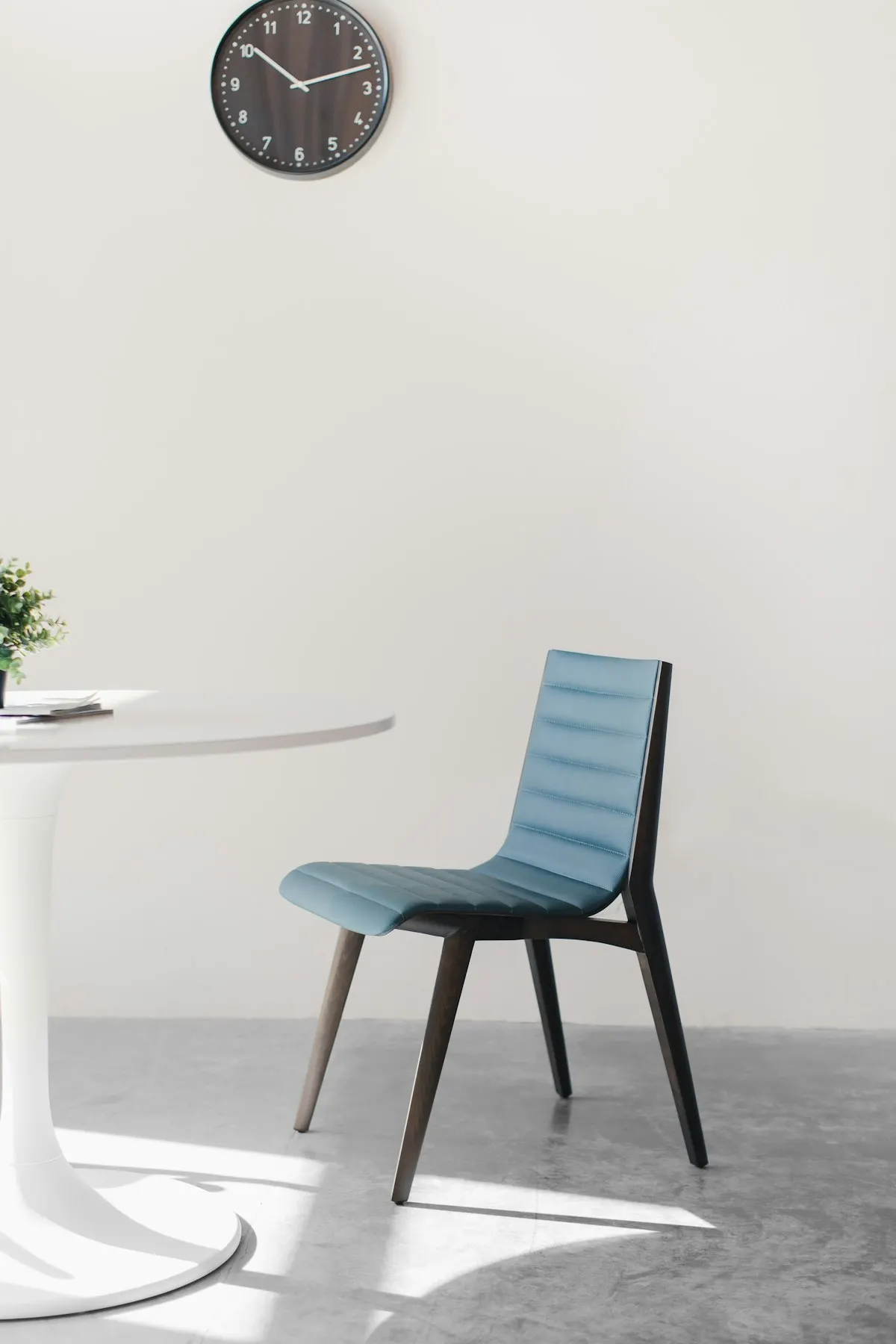
About Ergonomic Office Chairs
Ergonomic Office Chairs are specialized therapeutic tools designed to assist in rehabilitation, pain management, and improved functionality. Unlike conventional products, these are specifically engineered to address physiological needs and support proper body mechanics.
At Modern Physio, our physiotherapists carefully evaluate each product before recommending them to our patients and clients in Jaipur. We focus on quality construction, ergonomic design, effectiveness, and value to ensure you receive the best possible outcomes.
Key Benefits
The Science Behind Ergonomic Office Chairs
The development of ergonomic office chairs is grounded in extensive research on biomechanics, therapeutic intervention, and clinical outcomes. Here's what the science tells us about why these products are effective:
Clinical Evidence
Research published in peer-reviewed journals demonstrates that properly designed therapeutic products can significantly improve treatment outcomes when used as part of a comprehensive rehabilitation program supervised by qualified healthcare providers.
Physiological Impact
Studies show that specialized therapeutic products can positively influence tissue healing, reduce inflammation, promote proper alignment, and facilitate neuromotor retraining when applied correctly and consistently.
Optimization of Function
Clinical trials indicate that patients who use appropriate therapeutic tools as prescribed by their physiotherapist show faster functional recovery and report higher satisfaction with their treatment programs than those who do not.
Long-term Outcomes
Longitudinal research shows that investing in quality therapeutic products leads to better maintenance of treatment gains and reduced recurrence of symptoms when compared to generic alternatives or no supplementary tools.
Who Should Consider Ergonomic Office Chairs?
Patients in Recovery
Individuals actively undergoing physiotherapy for injury recovery, post-surgical rehabilitation, or management of chronic conditions can significantly enhance their treatment outcomes with appropriate therapeutic tools.
Preventive Care
Those at risk of developing musculoskeletal issues due to occupation, lifestyle factors, or previous injuries can benefit from using specific products preventively to maintain proper body mechanics and function.
Performance Enhancement
Athletes and active individuals looking to optimize their performance, reduce injury risk, and improve recovery between training sessions will find value in utilizing specialized physiotherapy equipment.
Recommended Ergonomic Office Chairs
Key Considerations When Choosing Ergonomic Office Chairs
Quality & Durability
Invest in products made from high-quality materials that will withstand repeated use. Durability directly impacts both effectiveness and long-term value.
Proper Fit
Ensure products are properly sized and adjusted for your specific body measurements. Incorrect sizing can reduce effectiveness and potentially cause harm.
Professional Guidance
Always seek advice from a qualified physiotherapist before purchasing therapeutic products, especially for specific medical conditions or post-injury recovery.
Proper Usage
Understanding correct application techniques and usage protocols is essential for safety and effectiveness. Improper use can negate benefits and potentially cause harm.
Maintenance Requirements
Consider the cleaning, storage, and maintenance needs of products to ensure hygiene, longevity, and consistent performance throughout their lifespan.
The chair that helps your back is the one adjusted to fit your body, and even the best chair matters less than how often you get out of it. Those are the two facts that should drive any ergonomic chair purchase, and they are usually the opposite of what the showroom tells you.
Fit comes down to four adjustments. Lumbar support: the backrest should meet the natural inward curve of your lower back, and its height should be adjustable so it sits at your beltline, not your mid-back. Seat height: feet flat on the floor, knees at roughly hip level. Seat depth: with your back against the backrest, two to three fingers should fit between the seat edge and the back of your knees, a too-deep seat is the most common fault we see, forcing people to perch forward and lose the backrest entirely. Armrests and recline: armrests at a height where the shoulders rest without shrugging, and a backrest that reclines slightly (around 100–110 degrees) so the chair, not your spine, carries some load.
The evidence is honest and worth knowing before you spend: research on ergonomic equipment for preventing neck and back problems is uncertain: a chair alone has not been shown to prevent pain. What is well supported is staying active and breaking up sitting time. At Modern Physio in Vaishali Nagar, we treat the chair as one part of a sitting strategy: correct fit, correct set-up, and a movement-break habit. Dr. Surabhi Bansal assesses all three together, because a perfectly fitted chair occupied for ten unbroken hours will still leave your back aching.
Who This Helps
Office workers and work-from-home professionals in Jaipur with back or neck ache that builds over the working day and eases on days off, the classic pattern of sitting load rather than injury.
People working long hours from dining chairs or beds since the shift to remote work, often the group with the most to gain from proper seating and set-up.
People with disc-related problems or sciatica who need supported sitting while their condition is treated: the chair does not treat the disc, but poor sitting keeps re-aggravating it.
Students facing long study hours, where an adjustable chair and a movement routine together prevent the postural ache that otherwise becomes routine.
Patients returning to desk work after spinal surgery or a significant back episode, where sitting tolerance has to be rebuilt gradually with the right support.
What a Session Looks Like
- 1
We take a sitting history: your working hours, desk set-up, when in the day symptoms appear, and what your current chair allows you to adjust. Photos of your actual workstation at home or office are genuinely useful, bring them.
- 2
Dr. Surabhi or a team physiotherapist examines your spine and posture: movement, muscle tenderness, nerve screening if symptoms radiate, and how your back behaves in sustained sitting.
- 3
We measure what your chair needs to provide: lower-leg length for seat height, thigh length for seat depth, and where your lumbar curve sits so support height is right for your build, not an average one.
- 4
We set up and trial the fit in clinic: adjusting a chair to your measurements so you feel what correct support is like, and learn to recognise it when testing chairs in a showroom.
- 5
You leave with a written specification and set-up checklist: the adjustments your chair must have, the numbers to set them to, and how to arrange desk and screen height around the chair.
- 6
We build your movement-break plan, realistic for your job, and pair it with two or three specific exercises for your assessment findings, because habits and strength do more than the chair itself.
- 7
At review, usually two to four weeks later, we check symptoms against the new set-up and adjust: the chair settings, the break pattern, or the clinical plan if sitting pain has not shifted.
Safety & Contraindications
This treatment is not suitable for everyone. Tell your physiotherapist about your full medical history: it is screened for at your first assessment.
- •A chair is not a treatment for nerve symptoms. If you have leg pain, numbness or weakness spreading below the knee, get assessed, and seek urgent same-day medical care for numbness in the saddle area or any change in bladder or bowel control.
- •During an acute back pain flare, buying a new chair is the wrong first move. Sitting tolerance is often low regardless of the chair; the flare needs management, and short sitting spells with frequent position changes serve you better than any purchase.
- •Tailbone (coccyx) pain is not solved by lumbar support: it needs a pressure-relief cushion with a coccyx cut-out and often treatment of the underlying problem. A standard ergonomic chair may not help at all.
- •No chair makes very long unbroken sitting safe. If your pattern is eight to ten hours without standing, fix the pattern first, an expensive chair that removes the discomfort signals can quietly make the habit worse.
- •Be sceptical of chairs marketed as "orthopaedic" or "medical" without adjustable lumbar height, seat depth and armrests: the label is marketing; the adjustments are what your back actually uses.
Expected Timeline
Set-up changes show quickly. When a chair is adjusted from a poor fit to a correct one, most people notice a difference in end-of-day ache within days to two weeks. A brief adjustment period is normal: correct lumbar support can feel oddly prominent for the first few days if you have sat unsupported for years.
Habit changes take longer and matter more. A movement-break routine feels effortful for the first couple of weeks and typically becomes automatic over four to six. This is where we see the durable gains: the combination of fitted support and regular position change is what reduces sitting-related symptoms, not either alone.
We usually review at two to four weeks. If back or neck symptoms persist despite a correct set-up and a genuine break habit, the sitting environment was not the whole story, and that is useful information. The assessment then focuses on the clinical drivers, and treatment proceeds on its own timeline with its own reassessment points. No chair purchase should be the end of the conversation if pain persists.
Evidence Base
A Cochrane review found the evidence that ergonomic equipment alone prevents work-related neck and upper limb problems is uncertain, supporting our advice to combine chair fit with movement and exercise rather than relying on the product.
Cochrane review CD008570, Ergonomic design and training for preventing work-related musculoskeletal disordersA Cochrane review found sit-stand and similar workplace interventions can reduce total sitting time at work, though effects on symptoms remain uncertain: breaking up sitting is the consistent, achievable target.
Cochrane review CD010912, Workplace interventions for reducing sitting at workFor low back pain, NICE recommends staying active and exercise programmes as core management, which is why our chair advice always sits inside an active plan.
NICE guideline NG59, Low back pain and sciatica in over 16sUK Health and Safety Executive display screen equipment guidance sets out the workstation basics we use in set-up checks: adjustable seating, screen position and regular breaks from the workstation.
HSE, Working safely with display screen equipmentWHO recommends adults limit sedentary time and replace it with activity of any intensity, the population-level basis for the movement-break habit we build alongside chair fit.
WHO fact sheet, Physical activityFrequently Asked Questions
Ergonomic chair, kneeling chair, or sitting on an exercise ball, which is better for back pain?
For a full working day, a well-fitted ergonomic chair. Kneeling chairs open the hip angle and encourage an upright spine, but they load the shins, remove back support entirely, and most people cannot use them comfortably beyond an hour or two: they work better as a second option to alternate into. Exercise balls as desk chairs sound active but the evidence does not support them for all-day sitting: trunk muscles tire, posture slumps, and there is no support to slump into. Our usual advice: fitted chair as the base, an alternative perch if you like variety, and movement breaks doing the real work.
How much do I need to spend on an ergonomic chair?
Spend on adjustability, not on brand or looks. The non-negotiables are adjustable seat height, seat depth (or a seat that happens to fit your thigh length), lumbar support at the right height for your back, and usable armrests. Mid-range chairs with all four routinely fit better than premium chairs bought unfitted, and a chair missing seat-depth adjustment is a poor buy at any price if the seat is too deep for you. We give you your measurements and a specification after assessment, so you can judge any chair in any showroom in Jaipur on fit rather than price tag.
How long should I trial a new chair before deciding it works?
Give it two to four weeks of full working days, with the set-up actually adjusted to you from day one. The first few days are unreliable: correct support often feels strange after years of poor seating, and showroom minutes tell you almost nothing. Judge it on the pattern of end-of-day symptoms in weeks two and three. If you buy from a seller with a return window, that window should cover at least two weeks of real use. And if symptoms are unchanged after four weeks of correct set-up, the chair is not the problem, book an assessment.
I have a slipped disc, which chair features matter most for me?
Three things: lumbar support that genuinely meets your lower back at beltline height, a recline you will actually use, reclining to around 100–110 degrees measurably reduces disc load compared with sitting bolt upright, and a seat pan that lets you sit fully back so the support works. Just as important is what the chair cannot do: it will not heal the disc, and long unbroken sitting is usually the main aggravator, so shorter sitting spells matter more than any feature. Sit-stand alternation helps many disc patients. Get the condition assessed and treated; set the chair up as part of that plan, not instead of it.
Is a headrest worth having?
Only if you actually recline. A headrest supports the neck when the backrest is tilted back: useful for phone calls, reading and thinking breaks. In an upright typing posture your head should be balanced over your shoulders, not resting on anything, so the headrest does nothing for most of the working day. Treat it as a comfort feature, not a neck pain treatment; money is better spent on lumbar and seat-depth adjustability. If your neck aches at the desk, screen height and shoulder position are the usual culprits, and that is worth assessing properly.
Can I make my existing chair more ergonomic without buying a new one?
Often, yes, and we would rather you try this first. A firm cushion raises a too-low seat; a folded towel or small cushion at beltline height creates lumbar support; a cushion behind your back effectively shortens a too-deep seat; a footrest (or a sturdy box) fixes dangling feet. What improvisation cannot fix is a seat that is badly too high with no footrest solution, a backrest angled wrongly, or a chair that rocks. Bring photos of your set-up to your consultation and we will tell you honestly whether adjustments will do or the chair is genuinely against you.
How often should I get up from my chair, realistically?
Aim to change position briefly every 30 to 45 minutes(stand for a phone call, fetch water, or do thirty seconds of standing back extensions) with a longer break every couple of hours. Frequency beats duration: six half-minute breaks spread across the morning do more for your back than one fifteen-minute break at lunch. If your work makes this genuinely difficult, tell us what your day actually looks like and we will build a pattern that survives contact with your job, because a plan you cannot keep is not a plan.
My back hurts from sitting: do I need a doctor or a physiotherapist?
Back ache that builds with sitting and eases with movement is a mechanical pattern, and a physiotherapist is the right first stop: assessment covers your spine, your sitting set-up and your habits in one visit. See a doctor first if there are warning signs: pain radiating below the knee with numbness or weakness, night pain unrelieved by position change, fever, unexplained weight loss, or any bladder or bowel change (that last one needs same-day care). Dr. Surabhi Bansal (BPT, MPT Ortho) screens every new patient for these signs and refers for medical opinion when they appear.
Can I get a chair fitting at the clinic, and what does it cost?
Yes: chair and workstation advice is done as part of a standard physiotherapy consultation, because the recommendation depends on assessing your back, your measurements and your work pattern together. Bring photos of your current set-up. The clinic in Vaishali Nagar is open Monday to Saturday, 9 am to 1 pm and 5 pm to 9 pm, and closed on Sunday. Call or WhatsApp +91 82334 02489 for current fees and to book.
Conditions We Treat With This
Products That Support This
Frequently Asked Questions
What are the benefits of using Ergonomic Office Chairs?
- Proper lumbar support
- Adjustable for individual body types
- Reduced back and neck strain
- Improved circulation
- Better work endurance
Who should consider using Ergonomic Office Chairs?
Three main groups benefit from ergonomic office chairs:
- Patients in Recovery: Individuals actively undergoing physiotherapy for injury recovery, post-surgical rehabilitation, or management of chronic conditions.
- Preventive Care: Those at risk of developing musculoskeletal issues due to occupation, lifestyle factors, or previous injuries.
- Performance Enhancement: Athletes and active individuals looking to optimize their performance, reduce injury risk, and improve recovery between training sessions.
Are Ergonomic Office Chairs recommended by physiotherapists?
Yes, at Modern Physio Jaipur, our qualified physiotherapists carefully evaluate and recommend ergonomic office chairs that meet our clinical standards. These products are specifically selected to help with rehabilitation, pain management, and improved functionality based on current evidence-based practices in physiotherapy.
Dr. Surabhi Bansal personally reviews our product selection to ensure they provide therapeutic benefit for our patients in Jaipur.
How do I choose the right ergonomic office chairs for me?
Selecting the right ergonomic office chairs depends on your specific condition, body type, and therapeutic goals. We recommend:
- Consulting with a physiotherapist first for personalized recommendations
- Considering quality and durability over price alone
- Looking for products that are adjustable to your body's specific needs
- Checking for proper certification and testing standards
At Modern Physio, we offer free consultations to help you choose the right therapeutic products for your specific needs in Jaipur.
Medically Reviewed
This content was reviewed for medical accuracy by Dr. Surabhi Bansal, BPT, MPT (Ortho) with 14+ years of clinical experience.
At Modern Physio, all medical content undergoes a thorough review process to ensure accuracy and alignment with current physiotherapy standards. Our content is created to educate and should not replace professional medical advice. Learn more about our review process.