Scoliosis
Scoliosis is a sideways curvature of the spine, usually combined with a degree of rotation, so that viewed from behind the spine traces a C or S shape instead of a straight line. At Modern Physio we focus on understanding the root-cause of your problem & personalizing your treatment for lasting results.
Understanding Scoliosis
Scoliosis is a sideways curvature of the spine, usually combined with a degree of rotation, so that viewed from behind the spine traces a C or S shape instead of a straight line. It most often appears in adolescents during the growth spurt, typically between ten and fifteen years of age and more commonly in girls, usually without any identifiable cause; this is called adolescent idiopathic scoliosis. A second, quite different group is adults, in whom scoliosis is either a curve carried from adolescence or a new curve developing later in life as spinal discs and joints wear unevenly. Most curves are mild, many never progress significantly, and a mild scoliosis is compatible with a full, active, sporting life. Honesty matters greatly with this condition, so we say plainly what physiotherapy can and cannot do. Physiotherapy cannot straighten a structural curve or reliably reduce its measured angle; claims of curve correction through exercise alone should be treated with caution. What exercise-based management can do, and what research supports it doing, is improve strength, posture, flexibility and pain, support the monitoring of a growing adolescent's curve, and in adults reduce the discomfort and stiffness that a curve produces over the years. Decisions about bracing and surgery belong to an orthopaedic specialist, and part of our role is recognising when a curve needs that referral, particularly a progressing curve in a still-growing child. At Modern Physio in Vaishali Nagar, Jaipur, we screen children and adults, teach curve-aware exercise programmes, and work alongside your orthopaedic doctor when one is involved, giving families a realistic picture rather than either alarm or false promises.
Common Symptoms
- Visibly uneven shoulders, with one sitting higher than the other
- One shoulder blade appearing more prominent or winged than the other
- An uneven waistline, with a deeper crease on one side, or one hip appearing higher
- The body leaning slightly to one side when standing relaxed
- A rib prominence or hump on one side, most visible when bending forward
- Clothes hanging unevenly, or one trouser leg or sleeve seeming longer, often the family's first clue in a teenager
- Back ache or muscle fatigue, more common in adults with scoliosis than in adolescents
- Stiffness and reduced flexibility of the trunk, particularly bending to one side
- In adults, aching that builds through the day with standing or walking, sometimes with leg symptoms if nerves are compressed by degenerative change
- In many adolescents, no symptoms at all, with the curve noticed by a parent, school checkup, or during a visit for something else
How Common Is It?
Mild scoliosis is common, affecting a small but significant proportion of adolescents worldwide, with girls more likely than boys to have curves that progress and need treatment. The large majority of adolescent curves are mild and never require anything beyond monitoring. Degenerative scoliosis becomes increasingly common with age and is a frequent finding in older adults with back complaints. In our Jaipur practice we see both groups: school-age children brought in by parents who have noticed uneven shoulders, and older adults whose long-standing or newly developed curves have begun to ache.
Causes & Risk Factors
- Idiopathic scoliosis, the most common form, appearing during adolescent growth without a known cause, with genetics playing a role as it often runs in families
- Degenerative scoliosis in adults, where uneven wear of discs and facet joints with age allows a new curve to develop
- Congenital scoliosis, where a vertebra forms abnormally before birth
- Neuromuscular conditions such as cerebral palsy, muscular dystrophy, or polio sequelae, where uneven muscle pull curves the growing spine
- Differences in leg length, which can produce a compensatory, usually flexible, curve
- Protective muscle spasm from pain, which can cause a temporary functional curve that resolves when the underlying problem settles
- Osteoporotic vertebral changes in older adults contributing to curve progression
- Progression of an adolescent curve into adulthood, particularly curves that were larger at skeletal maturity
- Not caused by heavy schoolbags, poor posture, or sleeping position — common beliefs that unfairly blame families, though these factors can aggravate discomfort in a spine that already has a curve
Our Diagnosis Process
- A history covering when the asymmetry was first noticed, growth and pubertal stage in adolescents, family history of scoliosis, pain, and any neurological symptoms
- Visual assessment of the standing spine from behind, looking at shoulder, shoulder blade, waist crease, and pelvic symmetry
- The Adam's forward bend test, in which bending forward reveals the rib or loin prominence produced by the rotation of a structural curve
- Measurement of trunk rotation with a scoliometer where indicated, giving a repeatable number to compare at follow-up visits
- Assessment of leg lengths and pelvic position to identify compensatory curves that arise from below the spine rather than within it
- Movement, strength, and flexibility assessment of the trunk, and neurological screening of the limbs where indicated
- Referral for standing spinal X-rays, ordered through your doctor, when a structural curve is suspected, since the Cobb angle measured on X-ray is the standard by which curves are classified and monitored
- Referral to an orthopaedic or spine specialist for any significant curve in a growing child, any curve showing progression, atypical pain, or neurological signs, since bracing and surgical decisions belong with the specialist
Our Treatment Approach
- An honest, unhurried explanation of what the curve is, what it means for the future, and what exercise can and cannot achieve, since fear and misinformation are often the heaviest part of this diagnosis
- Scoliosis-specific exercise programmes that train curve awareness, active postural correction, and breathing mechanics, tailored to the individual curve pattern
- General strengthening of the trunk, back, and hip muscles to build a spine that is strong and well supported, whatever its shape
- Flexibility and mobility work for the trunk, shoulders, and hips to maintain comfortable movement in all directions
- In adolescents, structured monitoring alongside the family and doctor, with scoliometer checks at intervals so that any progression during growth is caught early rather than discovered late
- Support alongside specialist bracing in growing adolescents, where exercise complements the brace and helps maintain muscle strength and confidence while it is worn
- In adults, management focused on pain, stiffness, endurance, and function, where strengthening and conditioning usually give the most meaningful day-to-day change
- Manual therapy and soft tissue techniques as an adjunct for pain and stiffness, particularly in adult degenerative curves
- Postural and ergonomic advice for school, desk work, and daily activities, aimed at comfort and load management rather than at the false promise of straightening the spine
- Encouragement of sport and general activity, since children and adults with scoliosis benefit from staying active and rarely need to avoid games
- Breathing and endurance exercise where larger curves affect chest mechanics
- Clear escalation criteria, with referral to the specialist whenever monitoring suggests progression or symptoms change character
Key Highlights
Honest guidance on what exercise can and cannot change about a curve
Structured screening and monitoring for adolescents during the growth years
Curve-aware, scoliosis-specific exercise alongside general strengthening
Clear referral pathways to orthopaedic specialists when a curve needs more than physiotherapy
Recovery & Prevention Tips
- Keep up regular sport and general exercise, since activity is safe and beneficial for almost everyone with scoliosis and deconditioning helps no one
- Do your specific exercises consistently, treating them as a long-term habit rather than a short course, because their benefit lies in ongoing strength and awareness
- For adolescents, attend every scheduled monitoring visit during the growth years even when nothing seems to have changed, since curves progress silently and early detection widens the options
- If a specialist has prescribed a brace, wear it for the hours advised, as its benefit in growing spines depends heavily on wearing time
- Do not spend money on devices, belts, or programmes that promise to straighten the spine; be sceptical of any such claim and discuss it with your physiotherapist or doctor first
- Build trunk and hip strength gradually and maintain it, particularly for adults whose curves ache with fatigue late in the day
- Break up long periods of sitting at school or work with movement, and set up desks and screens for comfort
- Use a schoolbag worn on both shoulders with a sensible weight for comfort, understanding that bags affect comfort rather than the curve itself
- For adults, manage overall load through the day and pace standing and walking tasks while endurance is being rebuilt
- Report new leg pain, numbness, weakness, or a visible change in the curve promptly rather than waiting for the next review
Products That Can Help
Supports and equipment we fit at the clinic that patients with this condition commonly use alongside treatment — never instead of it.
Evidence & Sources
NHS guidance explains that most scoliosis cases are mild, that treatment depends on age and curve severity, and that people with scoliosis are encouraged to stay active and exercise regularly.
NHS — ScoliosisA Cochrane review of exercises for adolescent idiopathic scoliosis found only low-quality evidence, concluding that while scoliosis-specific exercises may have a role alongside other treatment, firm claims about their effect on curves cannot be made.
Romano et al., Cochrane Database of Systematic Reviews — Exercises for adolescent idiopathic scoliosisA Cochrane review of bracing for adolescent idiopathic scoliosis found evidence, albeit of low quality, that braces can prevent curve progression in growing adolescents with progressive curves, supporting specialist-led bracing decisions.
Negrini et al., Cochrane Database of Systematic Reviews — Braces for idiopathic scoliosis in adolescentsFrequently Asked Questions
Can physiotherapy straighten my child's scoliosis?
No, and you should be wary of anyone who promises it can. There is no good evidence that exercise reliably reduces the measured angle of a structural curve, and the honest position is that physiotherapy's role is different: building strength, posture control, and confidence, supporting careful monitoring through the growth years, and working alongside a specialist's bracing or surgical plan when one is needed. Those are genuinely valuable, but they are not the same as straightening the spine, and we will never blur that line.
Did heavy schoolbags or bad posture cause my child's scoliosis?
No. Adolescent idiopathic scoliosis has no known single cause, genetics plays a significant role, and no research links schoolbags, slouching, or sleeping position to causing structural curves. Parents very often carry unnecessary guilt about this. Sensible bag habits and a comfortable desk setup still matter, but for comfort in a spine that has a curve, not because they created it or will change it.
Will my child's curve get worse?
It depends mainly on the size of the curve and how much growth remains, which is why age, pubertal stage, and skeletal maturity matter so much in the specialist's assessment. Many mild curves never progress meaningfully, while larger curves in children with substantial growth ahead carry a higher risk and need closer specialist supervision. This is exactly why regular monitoring during the growth years is the cornerstone of management: progression, if it happens, is caught early while bracing remains an option.
Does scoliosis mean my child should avoid sports?
Almost never. Children and adolescents with scoliosis are encouraged to play sport and stay active, and NHS guidance says the same. Activity builds the strength and fitness a curved spine benefits from, and no common sport has been shown to worsen idiopathic curves. If your child wears a brace, the specialist will advise on wearing schedules around sport. The rare exceptions involve specific underlying conditions or post-surgical restrictions, which the operating surgeon defines.
I am an adult with scoliosis and increasing back pain. Can physiotherapy help?
Often, yes. In adults the goal is not the curve's angle but the pain, stiffness, and fatigue it produces, and these usually respond to progressive strengthening, mobility work, endurance training, and sensible load management. Adult degenerative curves can also irritate nerves, so we screen for leg symptoms and involve your doctor when needed. We cannot promise a pain-free spine, but most adults can meaningfully improve their comfort and capacity with consistent, targeted work.
When does scoliosis need bracing or surgery?
Those thresholds are decided by an orthopaedic or spine specialist using standing X-rays and the Cobb angle, alongside the child's remaining growth. Broadly, small curves are monitored, moderate progressive curves in growing children may be braced, and large or relentlessly progressing curves are the ones where surgery is discussed. Our role is to support whichever pathway applies and, critically, to refer promptly when monitoring suggests a curve is moving into a range that needs the specialist's decision.
Should I see a doctor or a physiotherapist first if I notice a curve?
Either is a reasonable starting point, and the pathways join up quickly. We can screen the spine, perform the forward bend test, and measure trunk rotation, and if findings suggest a structural curve we will direct you to a doctor for standing X-rays and, where needed, specialist review, since imaging and bracing or surgical decisions are medical. If you go to your doctor first and the curve is mild, they will often recommend exercise-based management and monitoring, which is where we come in.
When should we seek medical help urgently for scoliosis?
Seek prompt medical review if a curve appears or visibly worsens rapidly over weeks to months, if back pain is severe, constant, or waking the person at night, if there is numbness, weakness, or persistent pain in the legs, changes in bladder or bowel control, or breathlessness in someone with a large curve. Scoliosis appearing in a child under ten, or alongside other health problems, also warrants early specialist assessment rather than routine monitoring.
Medically Reviewed
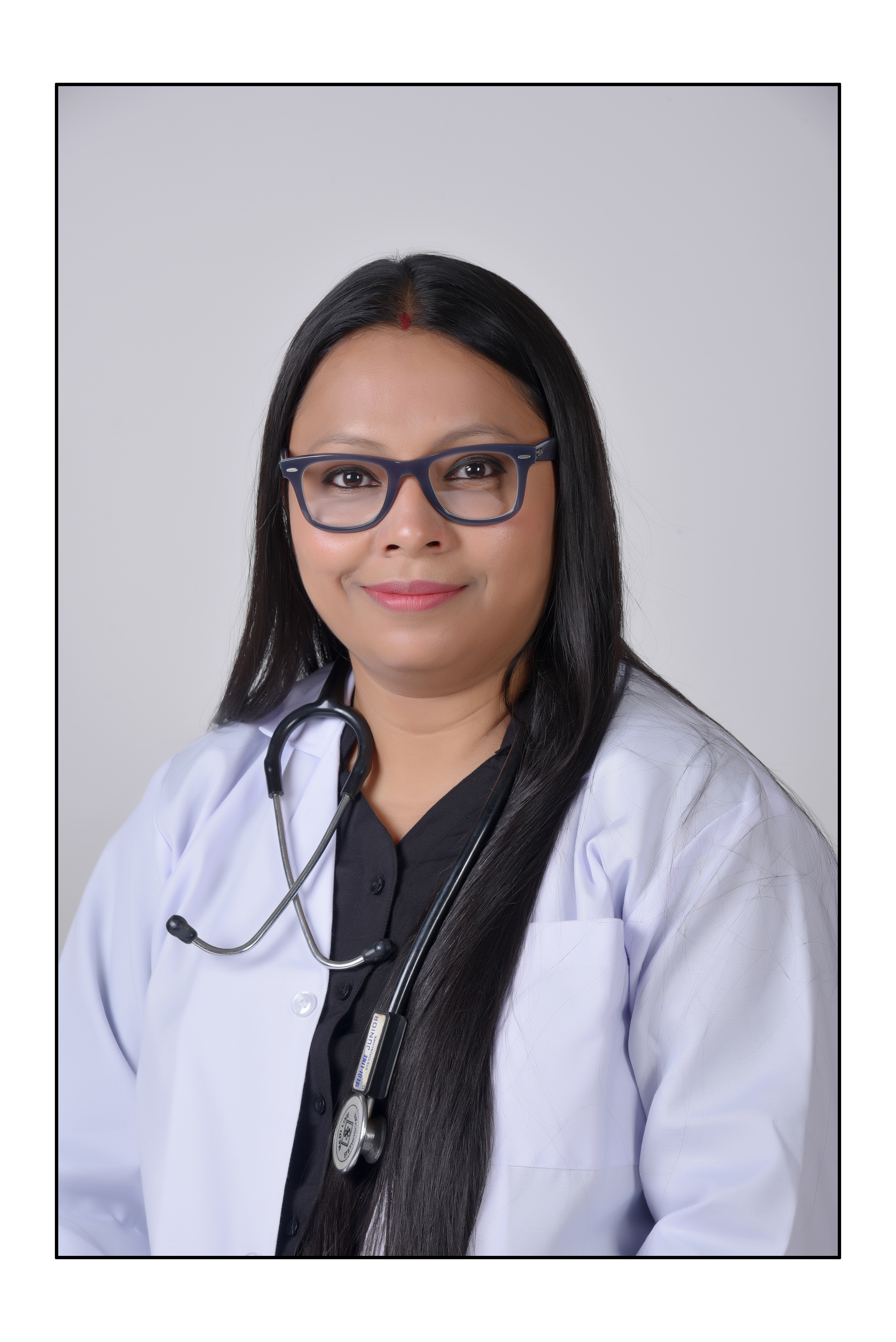
This content was reviewed for medical accuracy by Dr. Surabhi Bansal, BPT, MPT (Ortho) with 14+ years of clinical experience.
At Modern Physio, all medical content undergoes a thorough review process to ensure accuracy and alignment with current physiotherapy standards. Our content is created to educate and should not replace professional medical advice. Learn more about our review process.
Ready to Get Better?
Our expert physiotherapists can help you recover from scoliosis with personalized treatment plans.
Recommended Treatments for Scoliosis
Our expert physiotherapists recommend these effective treatments for scoliosis
Exercise Therapy
Scoliosis-specific and general strengthening programmes tailored to the individual curve pattern.
Assessment & Education
Screening, scoliometer monitoring, and honest education for families navigating a scoliosis diagnosis.
Manual Therapy
Hands-on treatment for the pain and stiffness that accompany adult and degenerative curves.
All Orthopedic Treatments
Browse all our treatments for orthopedic conditions.