Knee Replacement Rehab
Knee replacement surgery — total or partial — resurfaces a joint that arthritis has worn beyond the reach of conservative care. At Modern Physio we focus on understanding the root-cause of your problem & personalizing your treatment for lasting results.
Understanding Knee Replacement Rehab
Knee replacement surgery — total or partial — resurfaces a joint that arthritis has worn beyond the reach of conservative care. The operation itself, however, is only half the outcome; the other half is earned in the weeks and months of rehabilitation that follow, and this is where physiotherapy does its work. A new knee does not bend, straighten, or bear weight well on its own: the quadriceps switch off after surgery, the joint swells and stiffens quickly if left still, and the walking pattern learned over years of an arthritic limp does not correct itself. Structured rehabilitation moves through recognisable phases — early swelling control, regaining straightening and bend, waking up the quadriceps, walking retraining with progressive support-weaning, then strength, balance, and stairs — with the pace set by your knee's response, not the calendar. One thing we are clear about at Modern Physio: your operating surgeon's protocol leads. Surgeons differ in their instructions on weight-bearing, precautions, and milestones depending on the implant and technique used, and our role is to deliver your rehabilitation within that framework, coordinating with the surgical team rather than substituting for it. Many of our Jaipur patients are operated at Shalby Hospital — a short distance from our Vaishali Nagar clinic — or at other hospitals in the city, and come to us after discharge to continue supervised rehabilitation close to home; others return to Jaipur after surgery elsewhere. Either way, we pick up the thread from your discharge documents and your surgeon's advice. The window matters: the first three months are when range of motion is most readily gained, and bend that is not recovered in this period becomes progressively harder to win later. Physiotherapy cannot speed up bone and soft tissue healing or improve the implant itself, but it can help you regain the movement, strength, and confident walking that decide how much your new knee actually gives you.
Common Symptoms
- Stiffness in the operated knee, with difficulty achieving full straightening or a useful bend in the early weeks
- Swelling and warmth around the knee that fluctuate with activity through the first weeks and months
- Weakness of the quadriceps, felt as difficulty tightening the thigh or lifting the leg straight off the bed
- Pain around the operation site during exercise and at night in the early phase, gradually settling as healing progresses
- A limp or persisting old walking habits, such as a bent-knee gait carried over from the arthritic years
- Difficulty with stairs, particularly coming down, which demands controlled quadriceps strength
- Reduced walking distance and endurance compared with what the household and daily errands require
- Numbness or altered skin sensation around the outer side of the scar, which is common and usually partial
- Clicking sensations from the artificial joint surfaces, which are typically normal in a well-functioning implant
- Apprehension about kneeling, squatting, sitting cross-legged, or trusting the new knee under full body weight
- Tightness or sensitivity of the scar as it matures over the early months
How Common Is It?
Knee replacement is one of the most frequently performed orthopedic operations, and the number performed in India has grown steadily as arthritis care improves and surgery becomes more accessible. Most patients are in their sixties or seventies, with knee osteoarthritis the usual underlying condition, and women form a large share of those operated — mirroring the pattern of severe knee arthritis itself. In Jaipur, a substantial orthopedic surgical ecosystem, including Shalby Hospital near our clinic and several other centres, means post-operative rehabilitation is one of the most common referrals we receive. Structured rehabilitation after discharge is routinely recommended by surgical teams, and most patients who complete it return to independent walking and daily activities, though the pace and final range vary from knee to knee.
Causes & Risk Factors
- The surgical procedure itself — bone cuts, soft tissue handling, and implant placement produce predictable post-operative swelling, pain, and inhibition
- Reflex shutdown of the quadriceps after knee surgery, a well-recognised response that must be actively reversed with exercise
- Swelling within and around the joint, which mechanically limits bend and further inhibits muscle activation
- Scar tissue and adhesion formation during healing, which stiffens the joint if range is not maintained through the early window
- Years of pre-operative arthritis, which typically leaves behind weak thigh and hip muscles and a compensated walking pattern
- Pre-operative stiffness and deformity, since knees that bent poorly before surgery tend to need more deliberate work afterwards
- Pain-related guarding, where fear of harming the new joint leads to under-use and slows the very recovery it hopes to protect
- Prolonged reliance on a walker or stick beyond the point the surgical team intends, which entrenches an altered gait
- General deconditioning from reduced activity in the months before and weeks after surgery
- Interruption of rehabilitation after hospital discharge — the common gap this service exists to close
Our Diagnosis Process
- A review of your surgical documents — the operation performed, implant type, discharge summary, and your surgeon's specific protocol and precautions — which set the boundaries of the rehabilitation plan
- A history covering the pre-operative state of the knee, your recovery so far, current pain and swelling behaviour, and what daily life at home requires of you
- Measurement of knee range of motion, with particular attention to any lag in full straightening and the current limit of bend
- Assessment of quadriceps activation and strength, including the ability to perform a straight-leg raise without the knee sagging
- Inspection of the wound or scar, swelling, and skin condition, with screening for signs that need surgical review rather than physiotherapy
- Observation of walking with and without the current aid, standing balance, and transfers such as bed, chair, and toilet
- Assessment of the hip and ankle of both legs and the other knee, since these determine how well the operated limb can be loaded
- Screening at every stage for red flags — calf swelling or tenderness suggesting a blood clot, fever or wound discharge suggesting infection, or sudden loss of previously gained motion — with immediate referral back to your surgeon or doctor if any appear
Our Treatment Approach
- A rehabilitation plan built explicitly around your operating surgeon's protocol, with coordination back to the surgical team at milestones or whenever anything is unclear
- Early-phase swelling and pain management — positioning, elevation, cold therapy, and pacing — to create the conditions in which exercise can work
- A deliberate priority on regaining full knee straightening early, since even a small lasting bend at the knee compromises walking and loads the new joint poorly
- Progressive bending work through positioning, active-assisted exercise, and graded mobilisation, aimed at achieving a functional range within the early window when it is most attainable
- Quadriceps reactivation, beginning with isometric and straight-leg work and progressing steadily to loaded strengthening as the knee tolerates
- Gait retraining with a planned progression from walker to stick to unaided walking, at the pace your strength, balance, and surgeon's advice allow
- Strengthening of the hips and the other leg, which carry extra load during recovery and are usually deconditioned from the arthritic years
- Balance and proprioceptive retraining, since the sense of joint position must be relearned around an artificial joint and falls are the complication to avoid
- Functional retraining of stairs, chair and floor transfers, and the specific movements your home and routine demand
- Scar mobilisation and soft tissue work as healing permits, keeping the maturing scar supple
- Electrophysical modalities such as neuromuscular electrical stimulation for a slow-to-activate quadriceps, and other adjuncts used selectively alongside active work
- Honest guidance on long-term expectations with an artificial joint — most daily activities and low-impact exercise return; deep squatting, kneeling comfort, and high-impact sport vary between patients and implants, and your surgeon's advice on these governs
Key Highlights
Your surgeon's protocol leads — we rehabilitate within it and coordinate with the surgical team
Convenient continuation of rehab near Vaishali Nagar for patients operated at Shalby and other Jaipur hospitals
Early focus on full straightening and the critical first-three-months range-of-motion window
Progression by demonstrated milestones — range, strength, gait — not by the calendar alone
Recovery & Prevention Tips
- Follow your surgeon's instructions on weight-bearing, precautions, and follow-up visits exactly — they are specific to your implant and operation, and they override any general advice
- Do your home exercises in the small, frequent doses prescribed rather than one heroic session; little and often is how range and strength are won
- Work on full straightening every day — resting the heel on a rolled towel and letting the knee settle straight — because lost extension is the costliest deficit to leave behind
- Use cold therapy and elevation after exercise sessions in the early weeks to keep swelling, and therefore stiffness, in check
- Keep taking pain relief as prescribed in the early phase so that pain does not prevent the exercises that drive recovery, and discuss any changes with your doctor
- Wean off the walker and stick in the sequence your team advises rather than clinging on or discarding support early — both errors distort your walking pattern
- Set up the home sensibly for the early weeks: a firm chair with armrests, a raised toilet seat if advised, cleared walkways, and good lighting at night to prevent falls
- Walk a little more each week within your programme, but resist comparing your pace with others — knees, implants, and starting points differ
- Report calf pain or swelling, fever, wound discharge, or a sudden loss of movement to your surgeon immediately rather than waiting for your next physiotherapy session
- Stay engaged for the full course — the biggest gains in strength and confidence often come in months two to four, after the point where many people stop
Products That Can Help
Supports and equipment we fit at the clinic that patients with this condition commonly use alongside treatment — never instead of it.
Evidence & Sources
NICE guidance on primary joint replacement recommends offering rehabilitation on the day of surgery where possible and providing rehabilitation advice and home exercise guidance after discharge following knee replacement.
NICE Guideline NG157 — Joint replacement (primary): hip, knee and shoulderThe NHS describes a phased recovery after knee replacement in which regular exercises and a gradual return to walking and daily activity are central, with most people progressively reducing walking aids over the weeks after surgery.
NHS — Knee replacementA Cochrane review found that continuous passive motion machines after knee replacement offer little clinically meaningful benefit for function or range of motion, supporting the emphasis on active, exercise-based rehabilitation instead.
Cochrane Review — Continuous passive motion following total knee arthroplasty (CD004260)Frequently Asked Questions
When should physiotherapy start after knee replacement?
Almost immediately — in most modern protocols you are helped to stand and take steps on the day of surgery or the day after, while still in hospital, and guidance such as NICE's recommends rehabilitation beginning on the day of surgery where possible. After discharge, the thread should continue without a long gap, because the first weeks are when range of motion is most readily gained and swelling management matters most. If you are operated at Shalby or another Jaipur hospital, bring your discharge summary and surgeon's protocol to your first visit and we continue from exactly where the hospital team left off.
How much should my new knee bend, and by when?
It varies with your implant, your surgery, and — strongly — how much the knee bent before the operation, so we avoid quoting one number for everyone. Broadly, rehabilitation works first towards the bend needed for daily life: comfortable sitting, stairs, and getting up from a chair, alongside full straightening, which matters even more for walking. Most range is gained in the first three months, which is why we work that window deliberately. Your surgeon will have an expectation for your specific knee, and we track your progress against that rather than against a generic chart.
Why does my physiotherapist keep insisting on full straightening when bending seems harder?
Because a knee that cannot fully straighten costs you with every single step. Walking on a slightly bent knee overworks the quadriceps, tires the leg quickly, produces a limp, and loads the new joint in a way it was not designed for — and lost extension becomes stubbornly difficult to regain once the healing tissues settle short. Bend is important and we work on it daily, but extension is protected first precisely because it is the deficit that is hardest to fix later and most damaging to leave behind.
My surgeon's instructions differ from something I read or was told elsewhere. Whom should I follow?
Your surgeon — without hesitation. Protocols differ between surgeons for good reasons: implant design, fixation method, the state of your bone and soft tissues, and what was found and done during your particular operation. General advice, other patients' experiences, and internet timelines cannot account for any of that. Our own role follows the same rule: we design your rehabilitation within your surgeon's framework, and if we believe something in the plan needs adjusting, we raise it with the surgical team rather than overriding their instructions.
When should I seek medical help urgently after a knee replacement?
Contact your surgeon or go to hospital promptly if you develop calf pain, swelling, or tenderness in either leg, or breathlessness or chest pain — possible signs of a blood clot; fever with a hot, increasingly painful, or discharging wound — possible infection; a sudden inability to bear weight, a new deformity, or a sudden loss of movement after a fall or twist; or numbness and weakness in the foot that is new. These need medical assessment first, not physiotherapy. We screen for them at every session and will send you back to your surgical team the same day if anything appears.
Will I be able to sit cross-legged or kneel after my knee replacement?
This deserves an honest answer, because it matters in Indian homes. Kneeling on a replaced knee is often uncomfortable rather than dangerous, and many patients avoid it by preference; sitting cross-legged requires deep bend and rotation that some implants and knees achieve and others do not. Your surgeon's guidance for your specific implant governs here, and outcomes genuinely vary. What rehabilitation reliably delivers is comfortable walking, stairs, chairs, and independence in daily life; floor-based habits may need adaptations such as a low stool. We would rather tell you this plainly at the start than promise what your knee may not do.
How long does full recovery take after knee replacement?
Most people walk with support within days, move to a stick over the following weeks as strength allows, and manage daily activities with increasing ease over the first two to three months. Strength, endurance, and confidence continue improving well beyond that — meaningful gains often continue through the first year, and mild warmth or occasional swelling after busy days can persist during this period without indicating a problem. Rather than promising dates, we progress you through milestones — range, straight-leg control, gait quality, stairs — and your surgeon reviews the joint itself at set intervals.
Do I need physiotherapy at a clinic, or can I just do exercises at home?
Both, in sequence and combination. A home programme is genuinely central — your knee is shaped by what you do daily, not only in sessions. But supervision adds what paper instructions cannot: your range measured, exercises progressed at the right moments, gait faults corrected before they become habits, and complications spotted early. Many of our patients start with home physiotherapy visits in the first weeks after discharge, then shift to clinic sessions where equipment allows fuller strengthening. The right mix depends on your mobility, home set-up, and how your recovery is tracking — we plan it with you at assessment.
Medically Reviewed
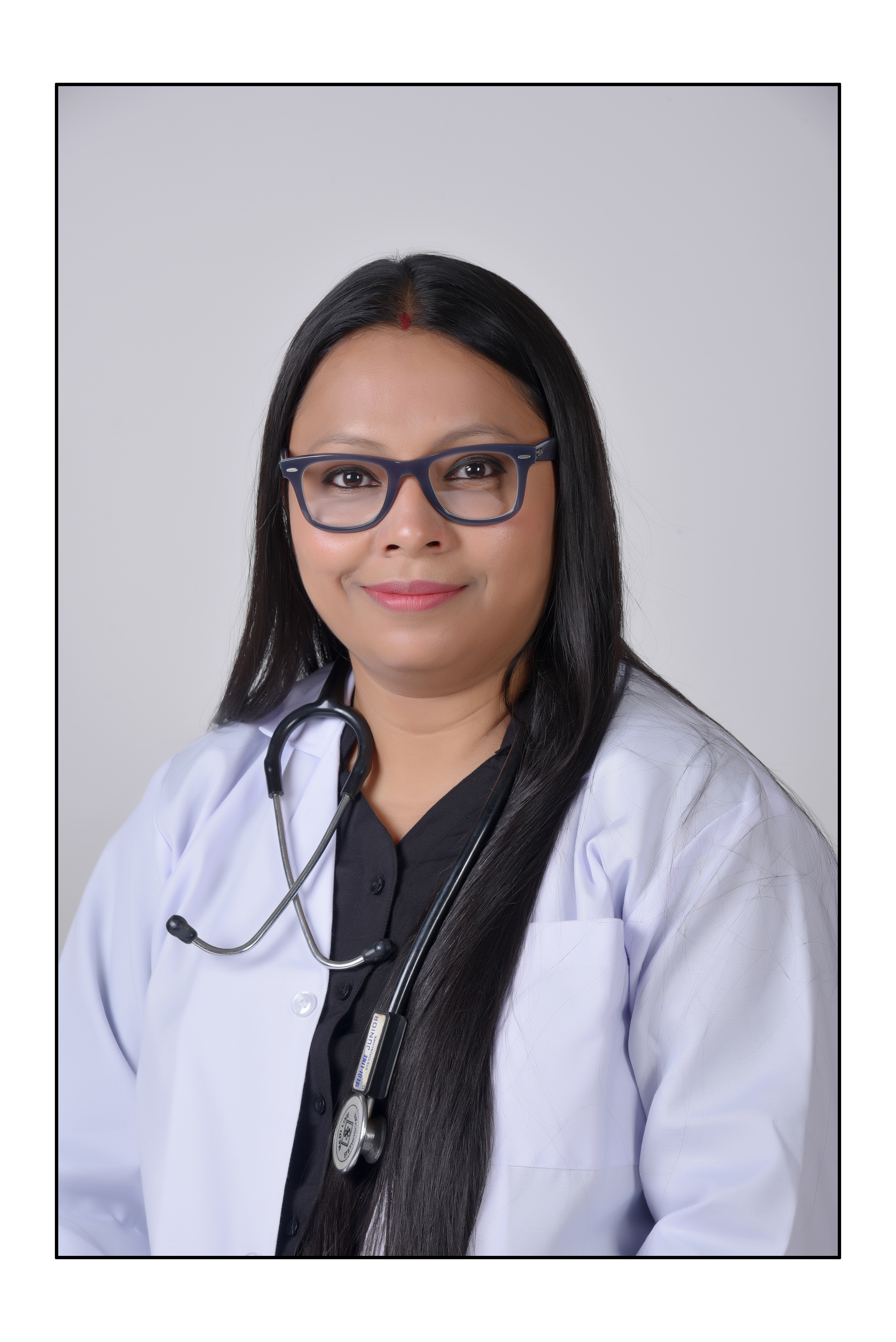
This content was reviewed for medical accuracy by Dr. Surabhi Bansal, BPT, MPT (Ortho) with 14+ years of clinical experience.
At Modern Physio, all medical content undergoes a thorough review process to ensure accuracy and alignment with current physiotherapy standards. Our content is created to educate and should not replace professional medical advice. Learn more about our review process.
Ready to Get Better?
Our expert physiotherapists can help you recover from knee replacement rehab with personalized treatment plans.
Recommended Treatments for Knee Replacement Rehab
Our expert physiotherapists recommend these effective treatments for knee replacement rehab
Post-Surgical Rehabilitation
Structured, protocol-led rehabilitation after joint replacement and other orthopedic surgery.
Exercise Therapy
Progressive strengthening, balance, and gait retraining programmes for the recovering knee and limb.
Home Physiotherapy
Supervised rehabilitation at home for the early weeks after discharge, before clinic visits are practical.
All Orthopedic Treatments
Browse all our treatments for orthopedic conditions.