Cardiorespiratory Physiotherapy
Chest physiotherapy and breathing rehabilitation — COPD, asthma, post-COVID recovery and post-surgical breathing care.
How We Help
Breathing problems respond to physiotherapy more than most people expect: airway clearance techniques, breathing re-training and graded exercise are core, evidence-supported parts of respiratory care.
Our cardiorespiratory physiotherapy helps people with COPD, asthma, bronchiectasis, post-COVID breathlessness and reduced fitness after cardiac or abdominal surgery rebuild their breathing control and exercise tolerance.
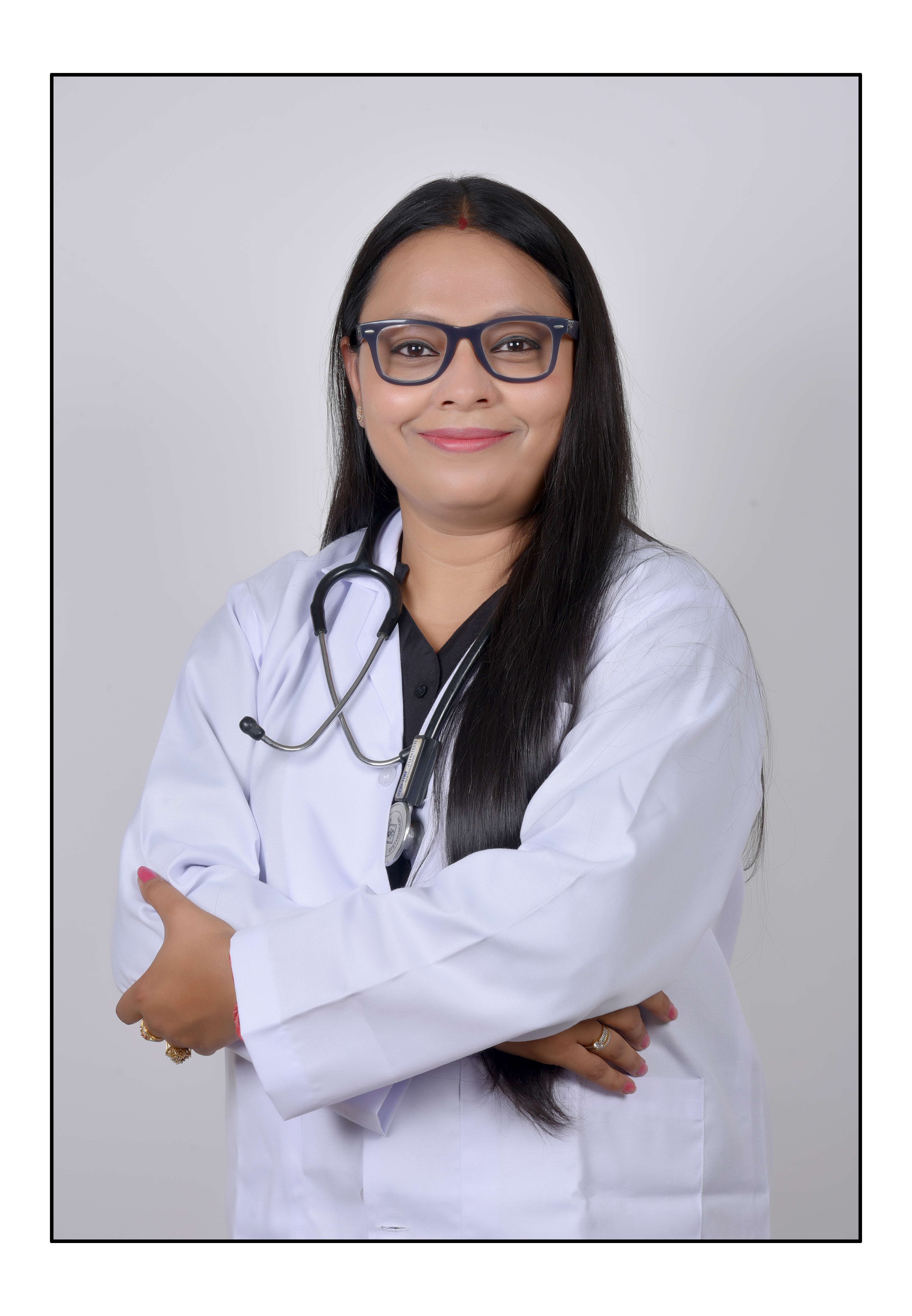
Cardiorespiratory physiotherapy is the branch of physiotherapy that works on breathing — clearing mucus from congested lungs, retraining inefficient breathing patterns, and rebuilding the exercise capacity that lung and heart conditions steadily erode. At Modern Physio in Vaishali Nagar, Jaipur, Dr. Surabhi Bansal (BPT, MPT Ortho, 14+ years across India and the USA) and her team provide this care for people with COPD, asthma, bronchiectasis, post-COVID breathlessness, and before or after chest and abdominal surgery. One thing should be clear from the start: this work happens alongside your chest physician or treating doctor, never instead of them. Diagnosis, inhalers and medicines are the doctor’s domain; what physiotherapy adds is the physical side of lung care that a prescription cannot deliver.
That physical side matters more than most patients are told. In COPD and bronchiectasis, mucus that sits in the airways drives infections and hospital admissions — airway clearance techniques teach you to move it out effectively, replacing exhausting bouts of coughing with controlled breathing cycles that actually work. In breathless patients, the breathing pattern itself often becomes part of the problem: rapid, shallow, upper-chest breathing that feeds the sensation of air hunger. Breathing retraining — diaphragmatic breathing, pursed-lip breathing, paced breathing with positions of ease — gives you back a measure of control over breathlessness.
The strongest evidence of all sits behind pulmonary rehabilitation: supervised, progressive exercise with education for people with chronic lung disease. Cochrane reviews rate it among the most effective interventions in respiratory care for improving breathlessness, exercise capacity and quality of life, and NICE recommends it for COPD patients limited by breathlessness — including soon after a flare-up. Physiotherapy cannot reverse the lung damage of COPD or cure asthma, but it can help you breathe more efficiently, keep your chest clearer, stay out of hospital more, and walk further with less fear. For those who struggle to travel, our home physiotherapy service brings chest care to your doorstep across Jaipur.
Who This Helps
People with COPD (chronic bronchitis or emphysema) who are limited by breathlessness in daily life, cough up sputum most days, or have had flare-ups needing antibiotics, steroids or hospital admission.
People with bronchiectasis, whose daily airway clearance routine is the backbone of staying infection-free — and anyone with a chronically productive cough their doctor has already evaluated.
People with asthma under a physician’s care who have a disordered breathing pattern on top of their asthma, or who want to exercise confidently without fear of symptoms.
People recovering from COVID-19 or other pneumonia with lingering breathlessness, low stamina and fatigue weeks after the infection has cleared.
Patients preparing for or recovering from chest, cardiac or upper abdominal surgery, where pre-operative training and early post-operative chest physiotherapy help prevent lung complications — always under the surgeon’s protocol.
Older adults or neurologically affected patients — after stroke, or with Parkinson’s — whose weak cough and shallow breathing put them at risk of chest congestion and infection.
What a Session Looks Like
- 1
History and reports first: your diagnosis, breathlessness pattern, cough and sputum habits, smoking history, home environment, and what limits you day to day — stairs, walking to the market, speaking without stopping for breath. Bring your chest physician’s notes, X-ray or CT reports and spirometry if you have them; we build on the medical diagnosis, not around it.
- 2
Baseline measurement: resting oxygen saturation and pulse, breathing pattern and rate, chest expansion, cough strength, and a simple functional test such as a timed or distance walk with saturation monitored — the numbers we re-test later to prove progress.
- 3
Airway clearance training where sputum is the problem: we teach the active cycle of breathing techniques — controlled breathing, deep expansion breaths, and huffing — plus positioning that helps drainage, until you can run the routine yourself at home. Where appropriate we advise on simple devices and coordinate their use with your physician.
- 4
Breathing retraining where pattern is the problem: diaphragmatic breathing, pursed-lip breathing for COPD, paced breathing tied to walking and stairs, and positions of ease for breathless moments — practical tools you use the same day.
- 5
Graded exercise, the pulmonary-rehabilitation core: walking, cycle or step work, and limb strengthening at an intensity set from your baseline, with saturation and breathlessness monitored throughout, progressed session by session as tolerance builds.
- 6
Education and home programme: recognising early flare-up signs and when to contact your doctor, energy conservation for heavy days, a written daily routine in Hindi or English, and agreed review points. Pre-surgical patients additionally practise the breathing and supported-cough drills they will use after their operation.
Safety & Contraindications
This treatment is not suitable for everyone. Tell your physiotherapist about your full medical history — it is screened for at your first assessment.
- •Chest physiotherapy is safe when properly indicated, but respiratory symptoms can hide serious disease — so medical diagnosis comes first, and several situations mean we pause and send you to a doctor or hospital.
- •Emergency signs — severe breathlessness at rest or worsening rapidly, chest pain or tightness, blue lips or fingertips, coughing up frank blood, high fever with drowsiness or confusion: hospital now, not physiotherapy.
- •A new or changed cough, breathlessness, wheeze or chest pain that no doctor has yet assessed needs diagnosis before treatment — we do not begin chest physiotherapy for an unevaluated chest.
- •Coughing up blood (haemoptysis) rules out percussion and vibration techniques and needs urgent physician review; we also avoid these techniques over fractured ribs, severe osteoporosis, or a known pneumothorax.
- •Unstable heart disease — recent heart attack, unstable angina, uncontrolled arrhythmia or decompensated heart failure — means graded exercise waits for cardiology clearance; we coordinate with your treating doctor directly.
- •During an acute asthma attack or a severe infective flare-up, medical treatment leads; physiotherapy input is timed with the treating physician, and in recovering patients we monitor oxygen saturation and stop if it falls.
- •After surgery, the operating surgeon’s protocol governs everything — when chest physiotherapy starts, which positions are allowed, and how wounds are supported during coughing and clearance.
Expected Timeline
Airway clearance helps from the first properly done session — most patients clear sputum more effectively within the first week or two of daily practice. The technique itself is learned in 2–4 sessions; in bronchiectasis and COPD it then becomes a permanent daily habit, reviewed and refined periodically rather than “completed”.
Structured pulmonary-rehabilitation-style programmes typically run 6–8 weeks with two to three sessions weekly plus home exercise; research consistently shows meaningful gains in walking capacity, breathlessness and quality of life over that span. We re-test your baseline measures midway and at the end so progress is demonstrated in numbers, not impressions.
Post-COVID recovery is genuinely variable and we pace it honestly — most people improve steadily over weeks to a few months with graded activity, but pushing too hard too fast can set fatigue back, so progression follows symptoms rather than the calendar. If recovery stalls or new symptoms appear, we refer back to the physician rather than simply pressing on.
The gains from exercise in chronic lung disease persist only with continued activity — so the endpoint of a supervised block is an independent routine you keep, with a periodic review rather than indefinite sessions. If your breathing worsens between reviews, the first call is your chest physician; we then adjust the physiotherapy side alongside their treatment.
Evidence Base
A Cochrane review found that pulmonary rehabilitation improves breathlessness, fatigue, exercise capacity and quality of life in COPD, with effects large enough that the authors concluded further trials against usual care are no longer warranted.
Cochrane review CD003793 (pulmonary rehabilitation for COPD)NICE recommends pulmonary rehabilitation for people with COPD who are functionally limited by breathlessness, including offering it soon after a hospital admission for an exacerbation.
NICE guideline NG115 (COPD diagnosis and management)A Cochrane review of airway clearance techniques in bronchiectasis found they appear safe and may improve sputum clearance, symptoms and quality of life in stable disease.
Cochrane review CD008351 (airway clearance techniques for bronchiectasis)WHO identifies rehabilitation — including breathing techniques and a paced, gradual return to activity — as an important part of care for people with ongoing symptoms after COVID-19.
WHO scientific brief on rehabilitation and COVID-19 (2021)Frequently Asked Questions
Should I see a chest physician or a physiotherapist first for a breathing problem?
The chest physician, first and clearly. A new or changed cough, breathlessness, wheeze or chest pain needs a medical diagnosis — examination, and usually tests like a chest X-ray or spirometry — before any physiotherapy. Our role begins once the diagnosis is made: the doctor treats the disease with medicines and inhalers, and we handle the physical side — clearance, breathing retraining and reconditioning. We routinely work alongside chest physicians in Jaipur and send patients back to them whenever the clinical picture changes.
When should I seek medical help urgently rather than book a session?
Go to a hospital immediately for: severe breathlessness at rest or breathlessness worsening quickly, chest pain or tightness, coughing up blood, blue lips or fingertips, or high fever with drowsiness or confusion. For a COPD or asthma flare-up — sputum turning darker or increasing sharply, needing your reliever far more than usual, waking breathless at night — contact your chest physician promptly. Physiotherapy resumes after the flare is medically controlled, and rehabilitation soon after a flare-up is actually one of the best-evidenced times to start.
What exactly is airway clearance, and how is it different from just coughing?
Uncontrolled coughing is exhausting, often ineffective, and hard on your throat and chest. Airway clearance techniques — mainly the active cycle of breathing techniques — use a repeating sequence of relaxed breathing, deep expansion breaths and forced exhalations called huffs to move mucus from the smaller airways up to where a single effective cough can clear it. It takes 10–20 minutes, done once or twice daily in stable disease and more often during flare-ups. Most patients are surprised how much more they clear with far less effort once the technique is learned properly.
Can physiotherapy actually help COPD? My lung damage is permanent.
The damage is permanent — we will never tell you otherwise — but disability from COPD is only partly about lung tissue. Much of it comes from deconditioned leg muscles, an inefficient breathing pattern, retained sputum and the fear-driven avoidance of activity, and all four are treatable. This is why pulmonary rehabilitation shows such consistent improvements in walking distance, breathlessness and quality of life in Cochrane reviews, and why NICE recommends it. Patients often gain more day-to-day function from a rehabilitation block than from any single change in medication — with their physician’s treatment continuing throughout.
I still get breathless months after COVID. Is that normal, and what can be done?
Lingering breathlessness, low stamina and fatigue after COVID are common and usually improve, but recovery can be slow and uneven. First, ongoing symptoms should be reviewed by a doctor to rule out complications that need treatment. After that, the physiotherapy approach is breathing-pattern retraining — many post-COVID patients develop rapid, shallow, upper-chest breathing — plus carefully graded reconditioning that respects fatigue rather than fighting it, in line with WHO guidance on paced return to activity. Progress is monitored with saturation and simple walk tests, and we pace upward as your system allows.
My father is having abdominal surgery next month. Why would he need chest physiotherapy?
Because chest complications — retained secretions and patches of collapsed lung — are among the most common problems after chest and upper abdominal surgery, and they are substantially preventable. Before surgery, he learns deep breathing exercises, effective supported coughing (splinting the wound with a pillow) and early mobility drills while he is comfortable enough to learn them well. After surgery, he applies them from day one under guidance, within whatever protocol his surgeon sets — the surgeon’s instructions always lead, and we work inside them. Practising before the operation makes the after far easier.
Does breathing retraining help asthma? My inhalers already control it.
Inhalers remain the foundation of asthma care, and nothing we do replaces them — never change inhaler use without your doctor. But a proportion of people with asthma also develop a disordered breathing pattern that produces breathlessness and chest tightness even when the asthma itself is well controlled, and this pattern responds to retraining. Physiotherapy teaches nose-based, slower, diaphragmatic breathing, control during exertion, and confidence to exercise. If your symptoms persist despite good medical control, it is worth assessing whether pattern — not just asthma — is contributing.
Do you provide chest physiotherapy at home in Jaipur?
Yes. Through our home physiotherapy service we treat patients across Vaishali Nagar and nearby areas of Jaipur — most often those recently discharged after a chest infection, COPD flare-up or surgery, bedridden or elderly patients at risk of chest congestion, and anyone for whom the journey itself is the barrier. Airway clearance, breathing retraining and graded reconditioning all transfer well to home care, and we coordinate with your treating physician throughout. Call or WhatsApp +91 82334 02489; the clinic runs 7 days a week, 7 am–1 pm and 4 pm–9 pm.
Conditions We Treat With This
Products That Support This
Medically Reviewed
This content was reviewed for medical accuracy by Dr. Surabhi Bansal, BPT, MPT (Ortho) with 14+ years of clinical experience.
At Modern Physio, all medical content undergoes a thorough review process to ensure accuracy and alignment with current physiotherapy standards. Our content is created to educate and should not replace professional medical advice. Learn more about our review process.
Our Treatment Approach
Breathing re-training and diaphragmatic breathing
Airway clearance techniques and chest physiotherapy
Graded exercise and walking programmes
Post-COVID rehabilitation
Pre- and post-surgical chest physiotherapy
Inspiratory muscle training
Frequently Asked Questions
Benefits
- Better breathlessness control in daily life
- Effective airway clearance techniques you can do at home
- Safely graded return to walking and exercise
- Reduced fear around exertion and breathlessness
- Support alongside your chest physician's treatment
- Practical energy-conservation strategies
Other Conditions You Might Be Interested In

Orthopedic & Pain Management
Specialized therapy for musculoskeletal conditions, joint pain, and injuries.
Neurological Rehabilitation
Comprehensive therapy for stroke recovery, Parkinson's disease, multiple sclerosis, and other neurological conditions.
Women's Health Physiotherapy
Specialized physiotherapy for pregnancy, postpartum recovery, pelvic floor dysfunction, and other women's health concerns.